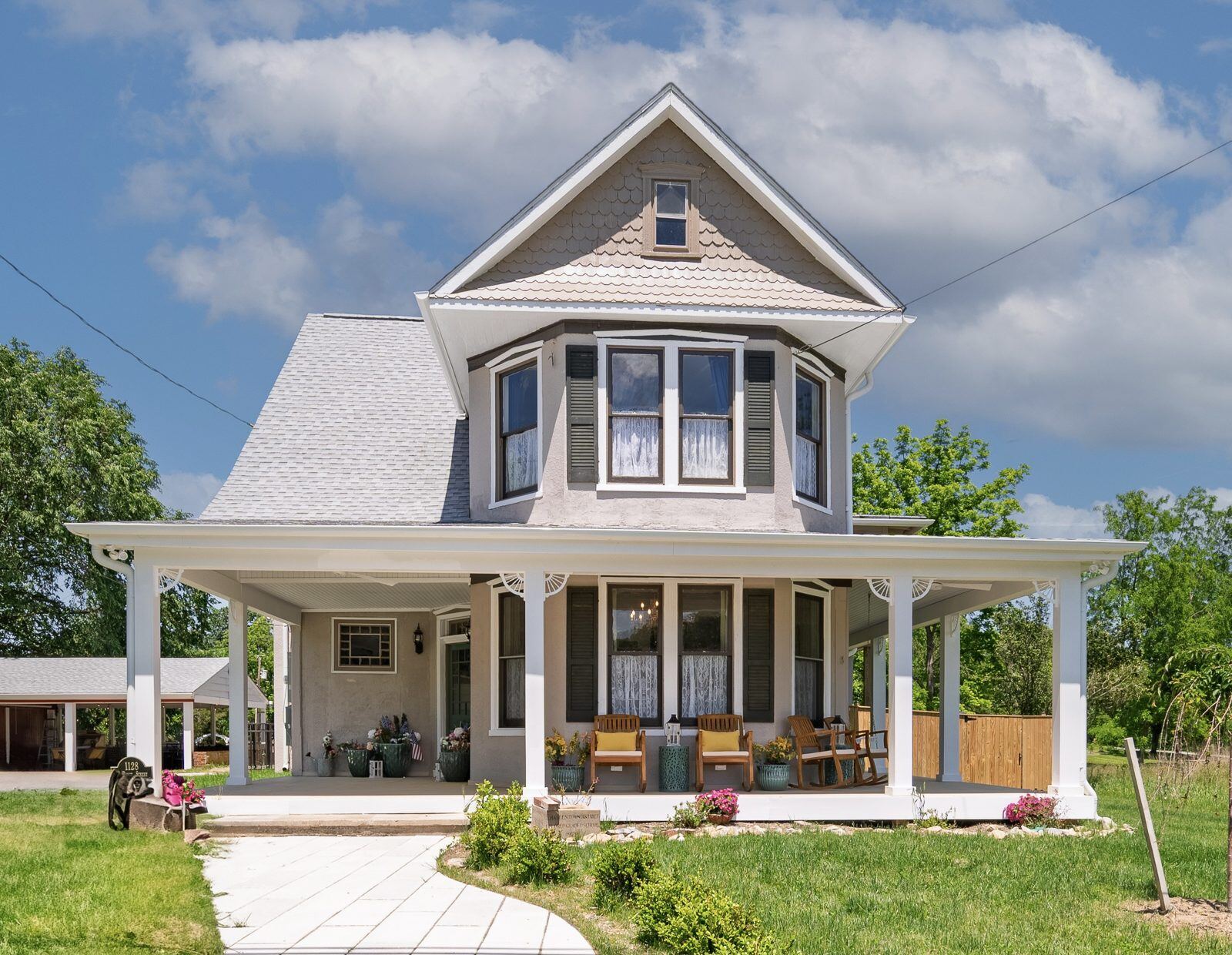
Most agents have never underwritten a deal with their own money on the line. I have, more than once. These are the projects behind the strategy I bring to your deal.
I found it on the MLS after it had been sitting for six months, which is exactly when most buyers tune out. I was in the middle of exploring small to mid-size multifamily deals in Tampa at the time. I'm so glad I pivoted.
Built in 1892, this Victorian had nearly every original detail stripped out over the years. Someone had decided the historic character wasn't worth preserving. I disagreed. Working alongside an incredible contractor team, I restored her down to the studs, and in many cases, replaced the studs. This was far beyond a cosmetic flip, which paved the way for a full rebuild, one decision at a time.
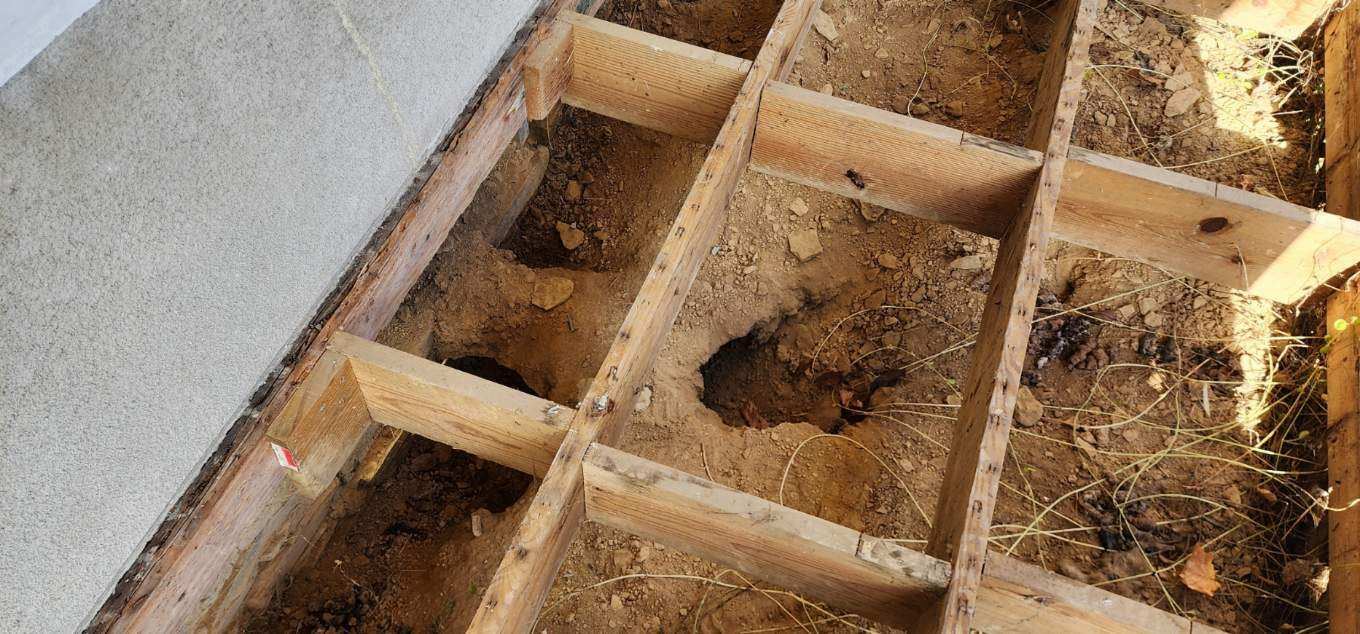
What I didn't anticipate: almost everything that could go wrong, did. Gophers. Structural surprises. The works. What I also didn't anticipate: discovering a secret room hidden in the roofline. And getting to know the most genuinely wonderful community I've ever been a part of.
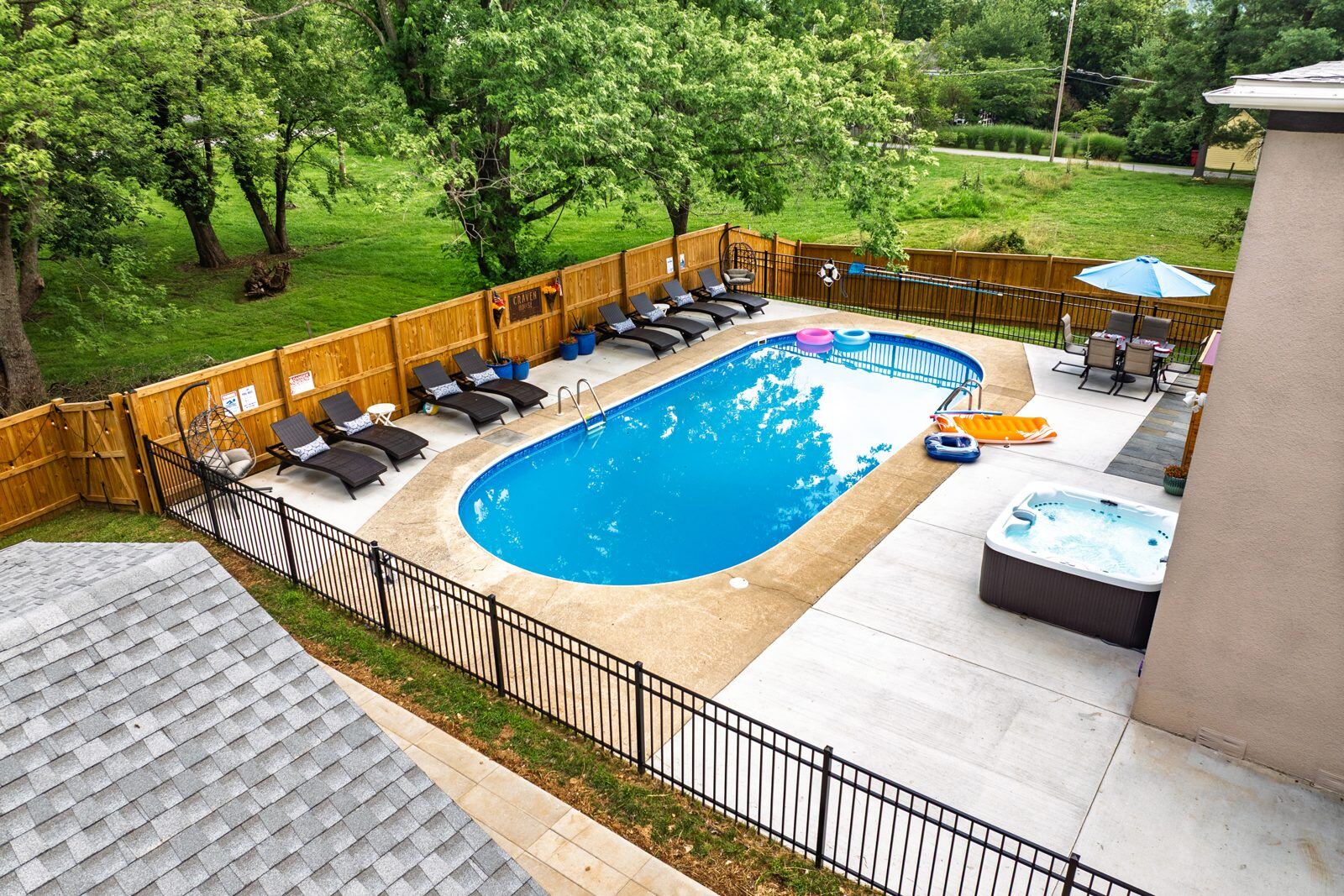
The Craven House is now a successful short-term rental, and my single favorite thing I've ever done in real estate. She's my pride and joy, and I love sharing her beauty and her story with everyone who stays. You can book her directly through my wonderful property managers.
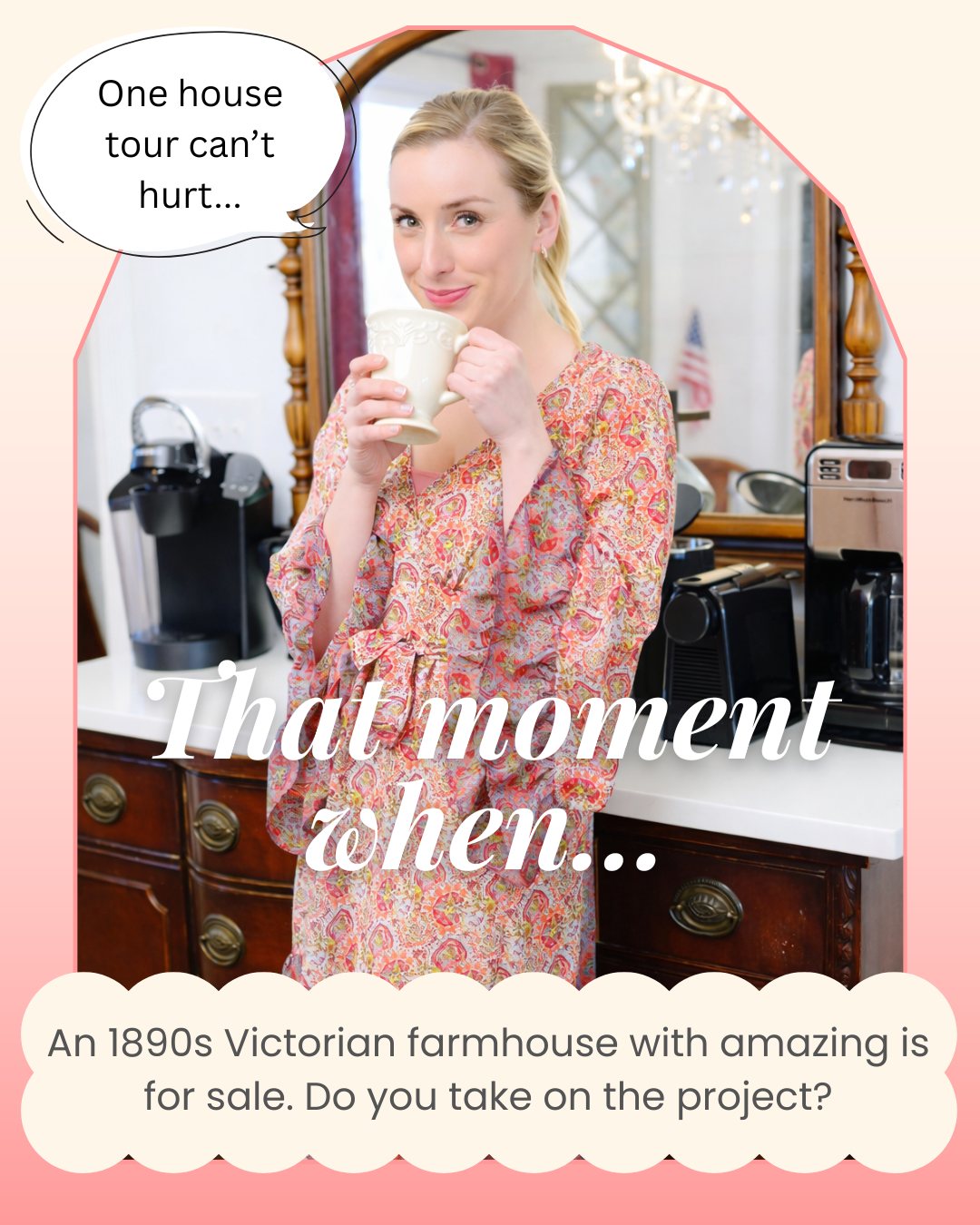
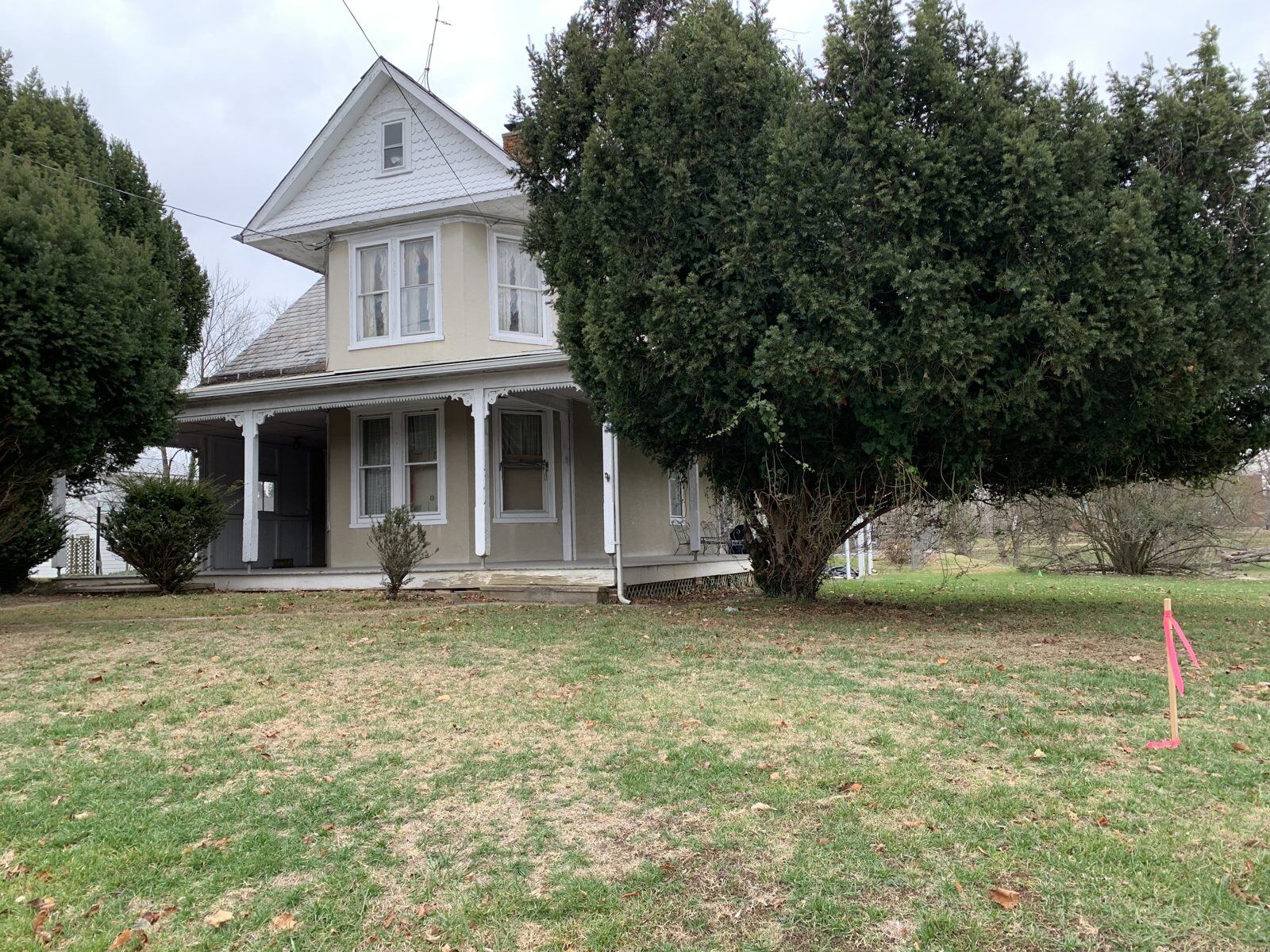
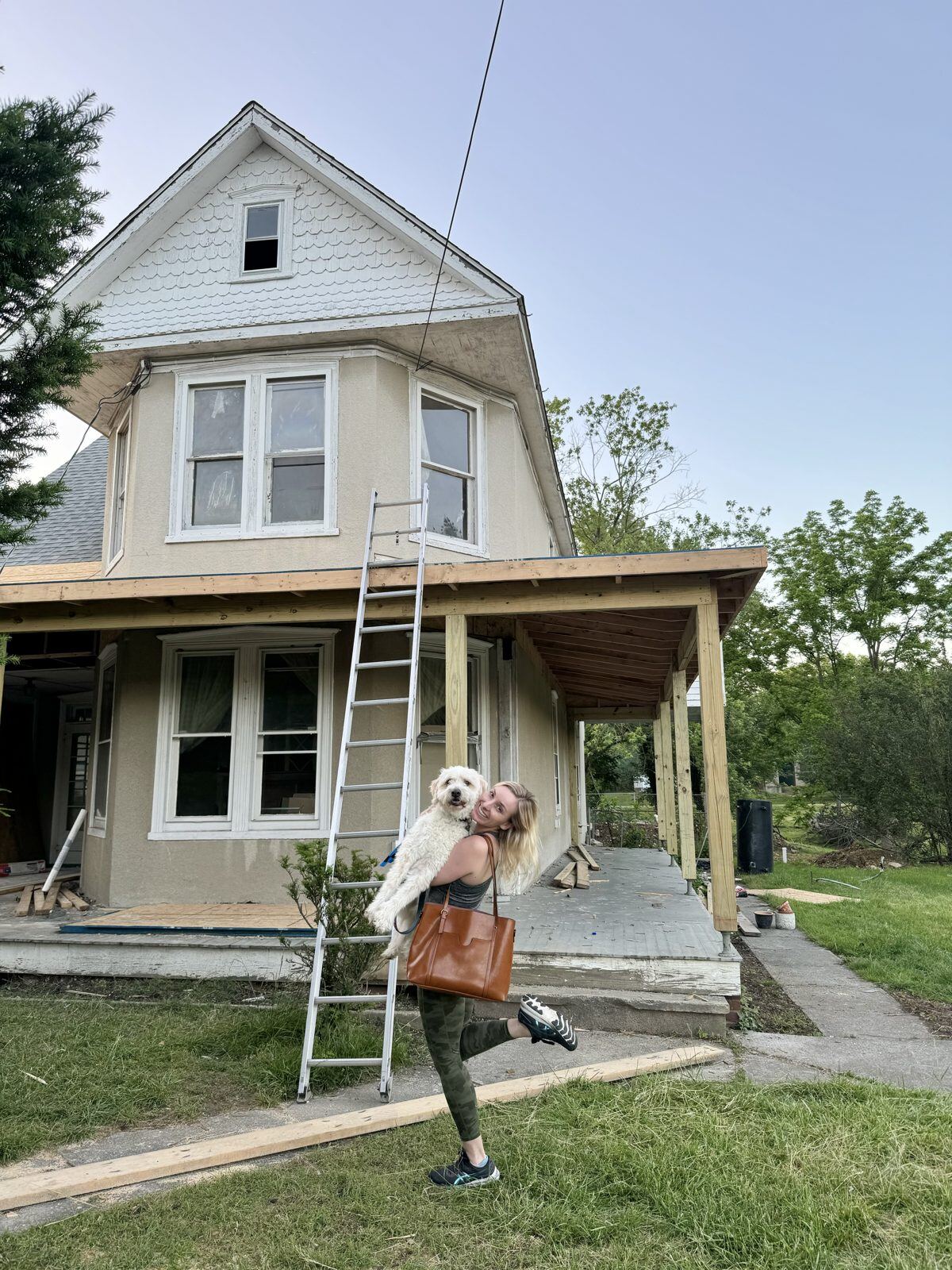
In November 2023, I purchased what would become one of the most defining projects of my real estate career: a Victorian farmhouse in Harpers Ferry, West Virginia. Most people saw a house that was falling apart. I saw unlimited possibility.
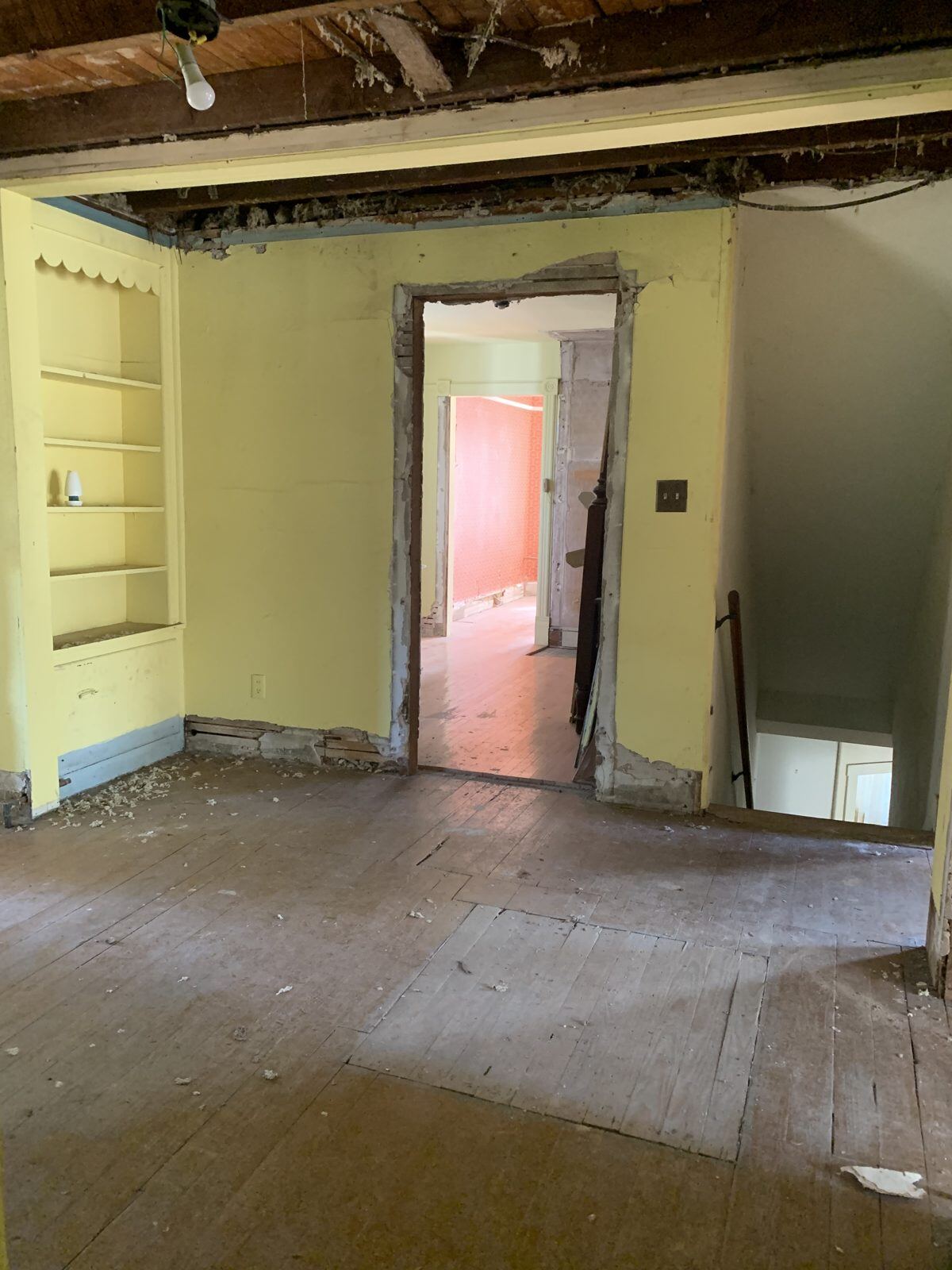
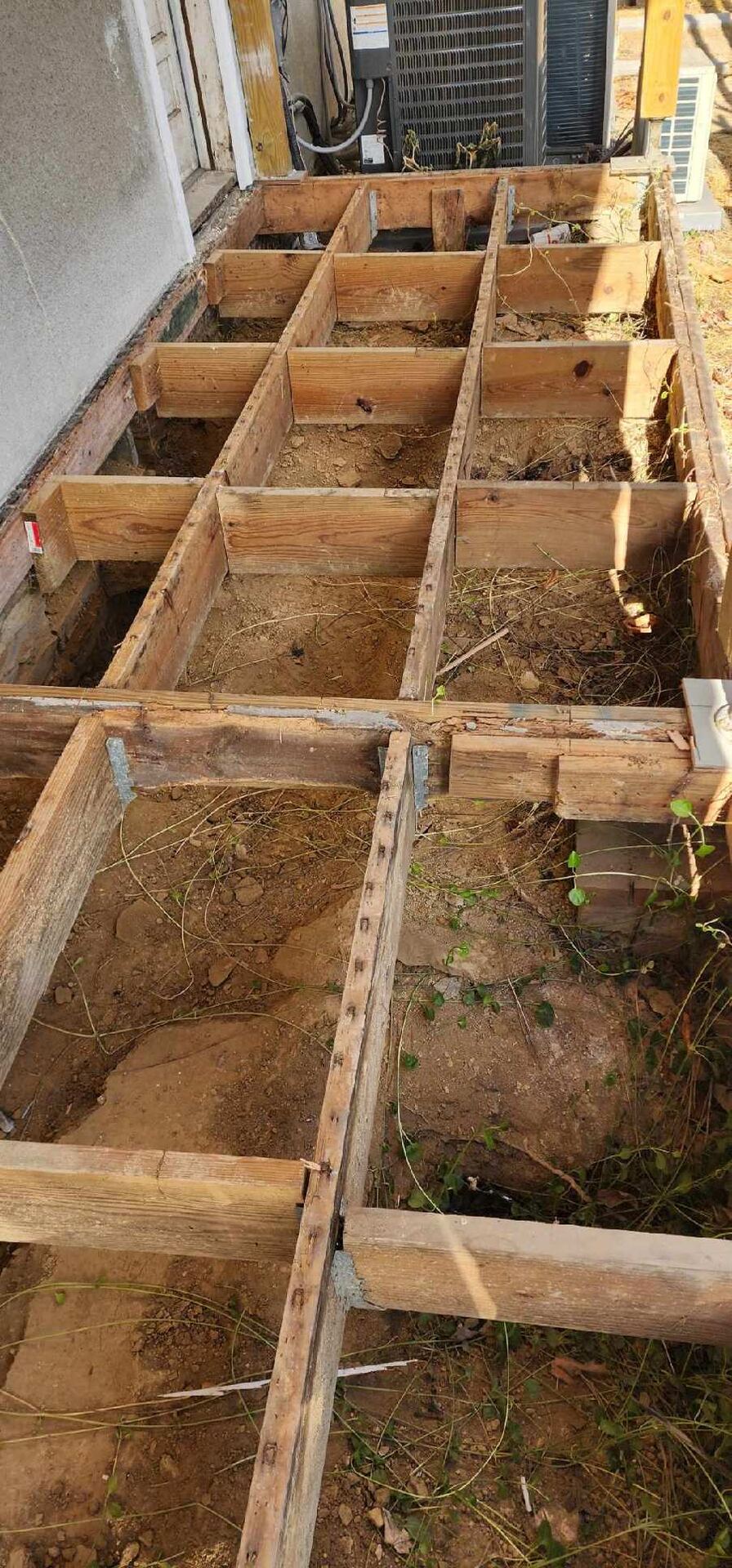
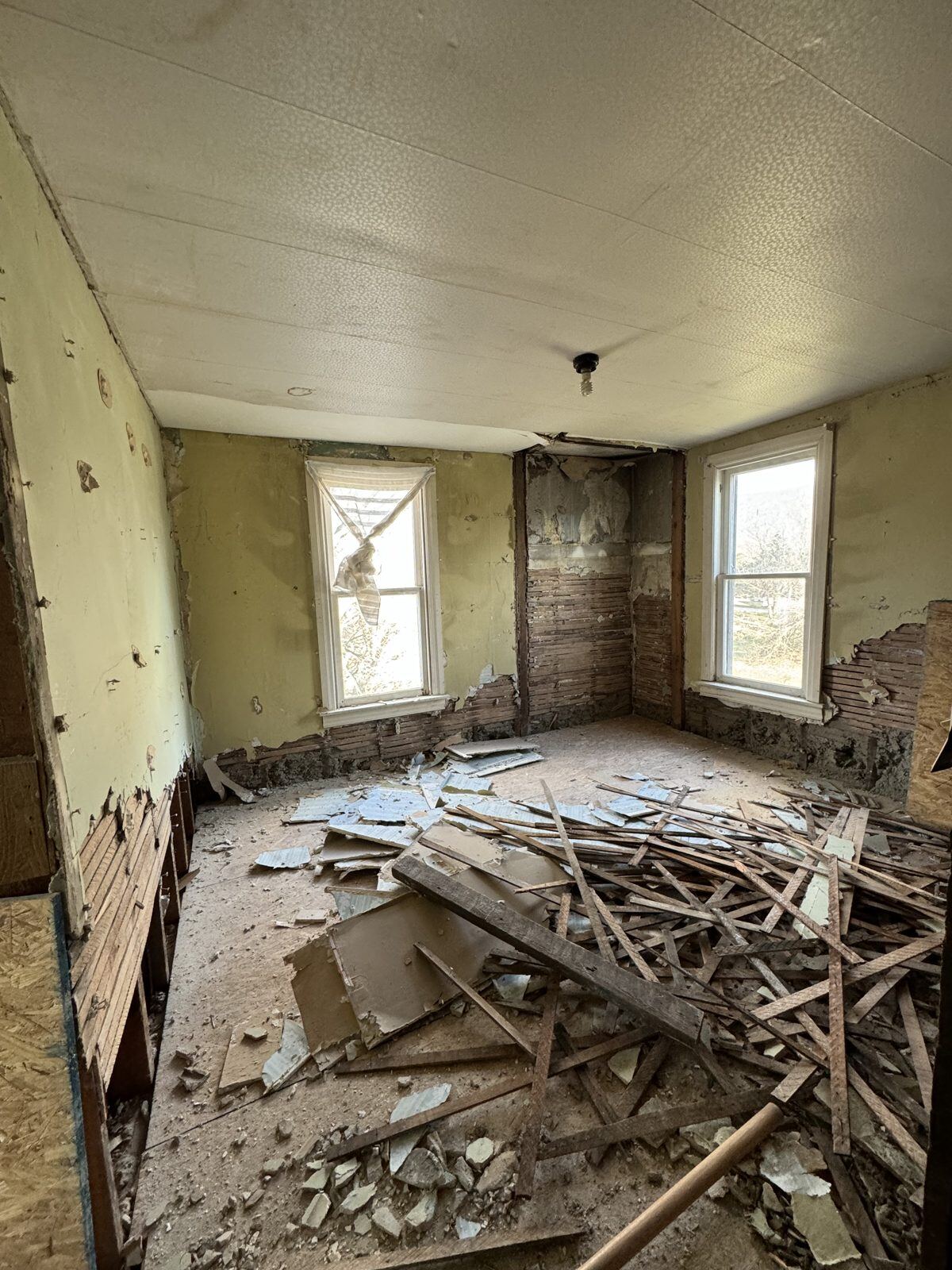
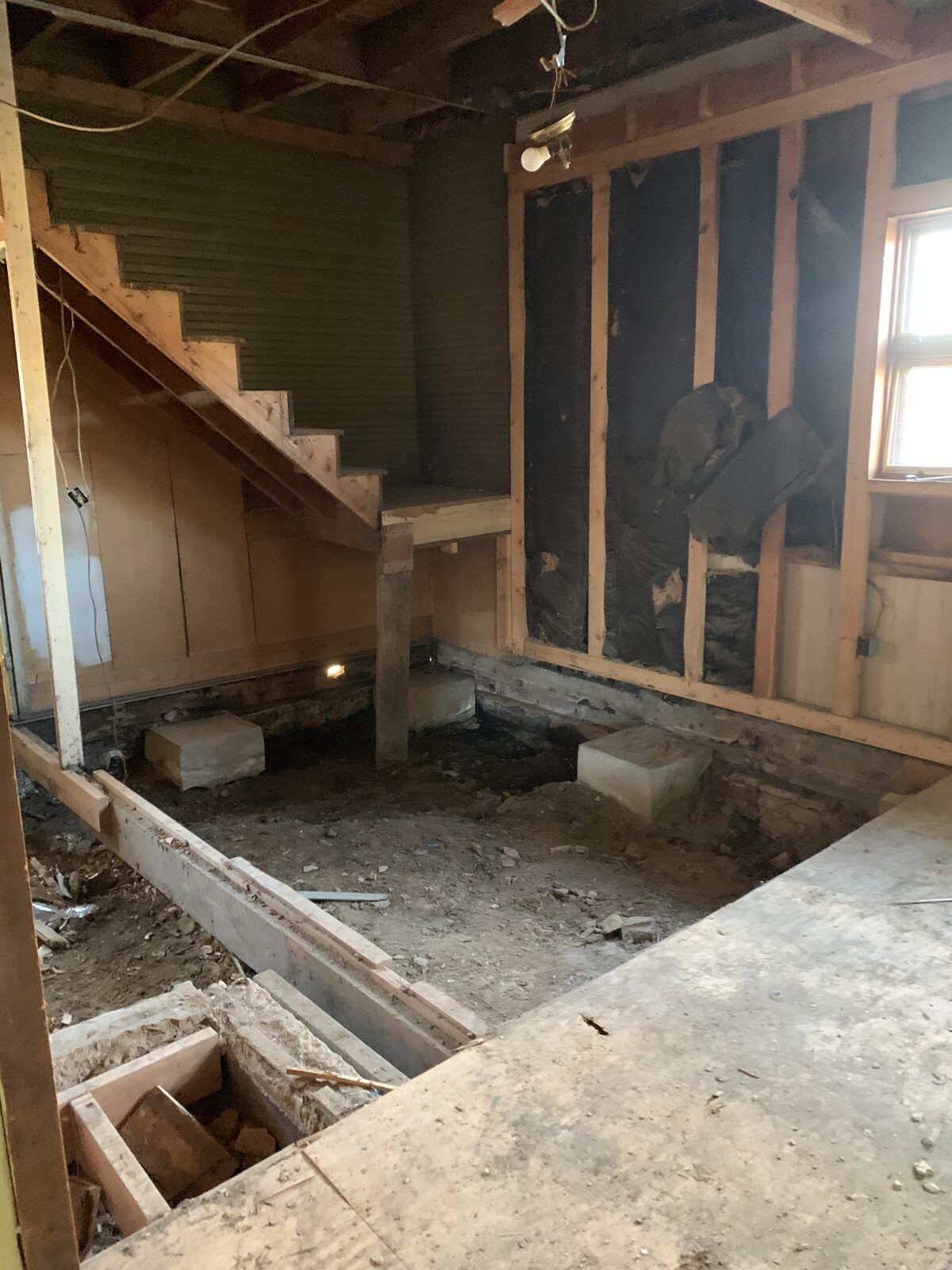
Known today as The Craven House, the home once belonged to the late Adam Craven, the first African-American mayor of Harpers Ferry. The property carried an incredible history, but years of neglect, deferred maintenance, and partial demolition had stripped away much of its original character. Details that once made the home special had disappeared. Systems had aged well beyond their useful life, an entire section of the home had sunk 14 inches, and joists underpinning the foundation had disintegrated in some places.
I purchased it anyway, and started a rollercoaster of an adventure that has become an integral part of my real estate story. I never could have predicted how much the project would challenge me, educate me, and ultimately shape the way I serve my clients today.
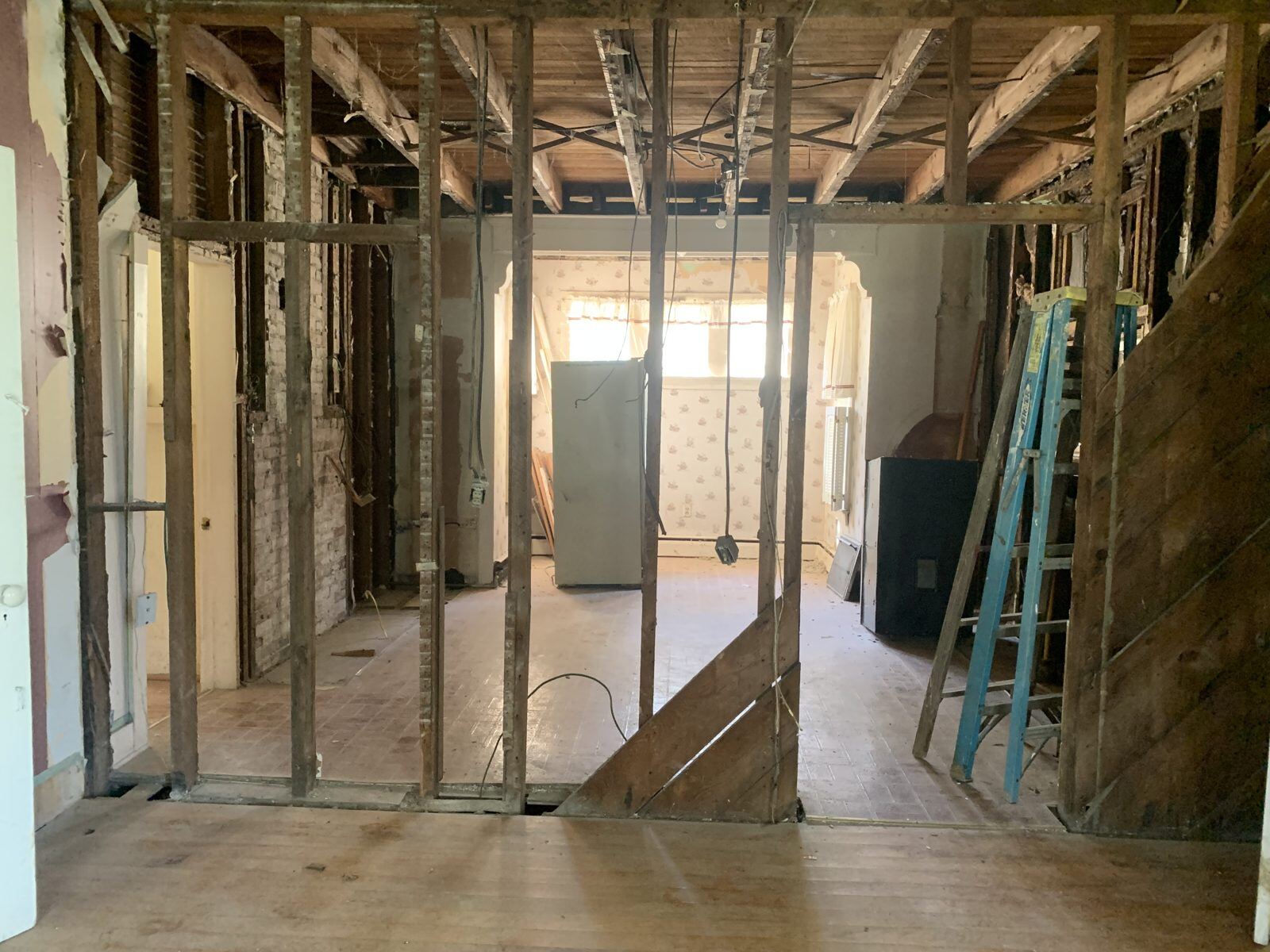
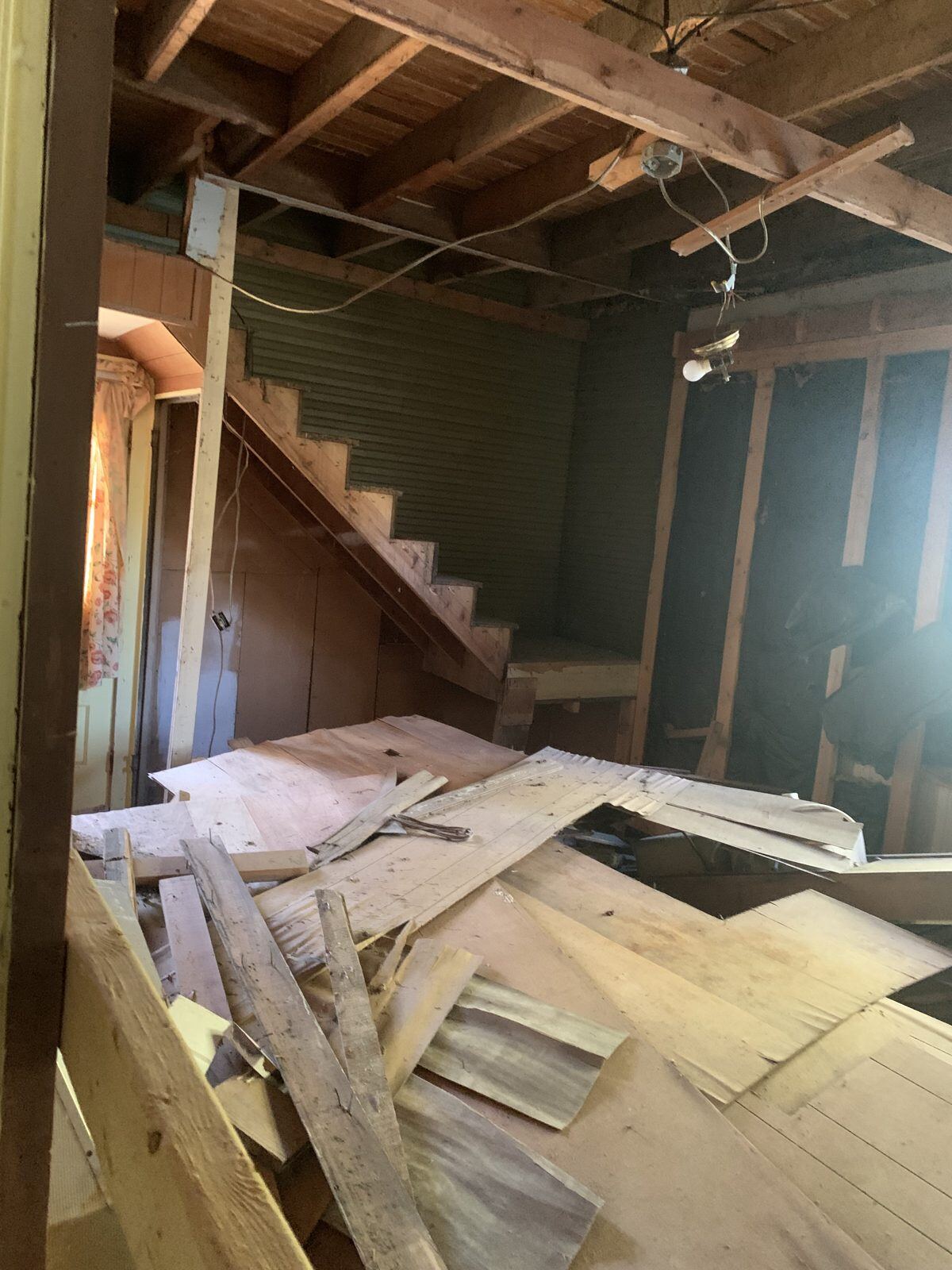
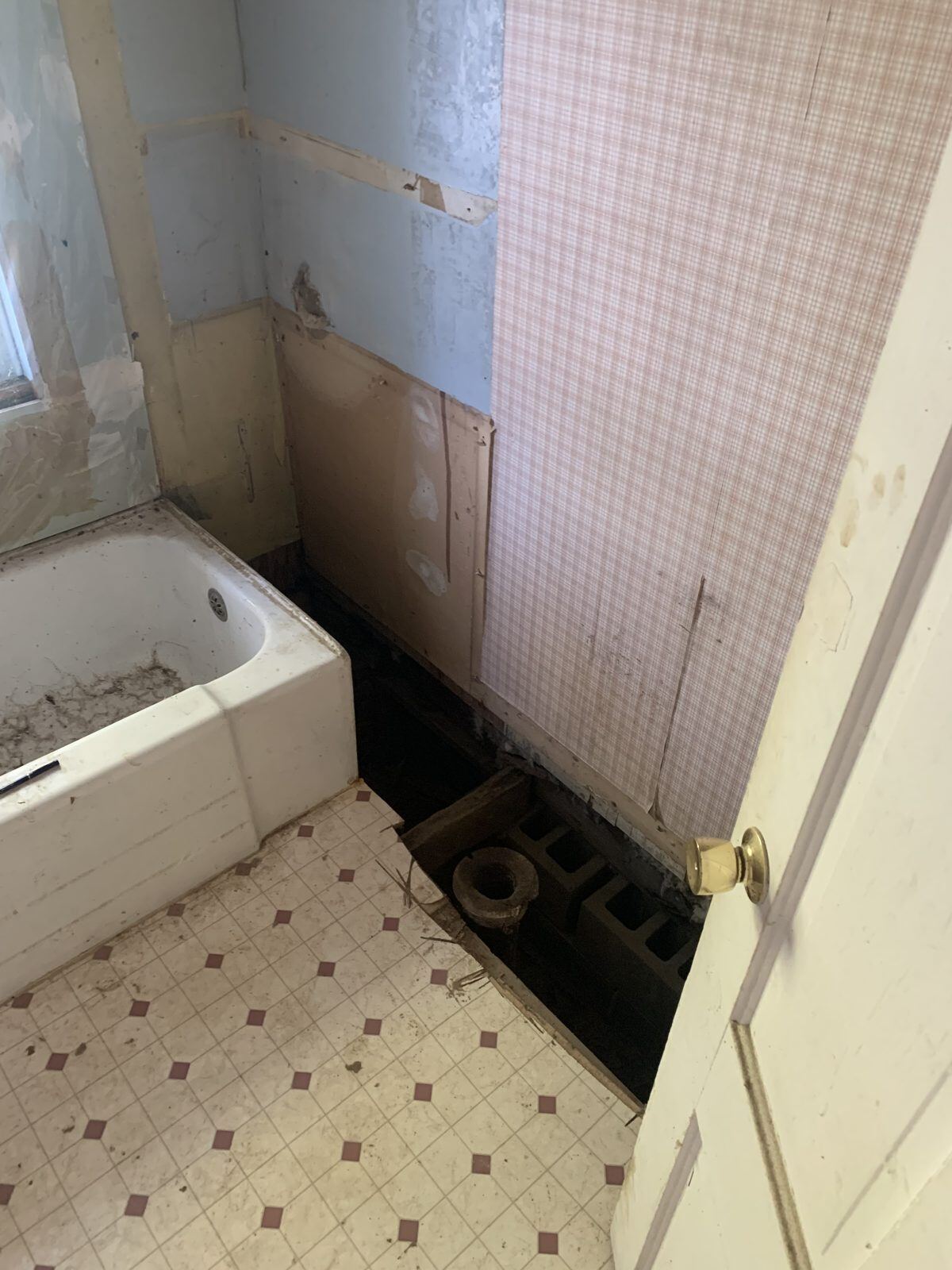
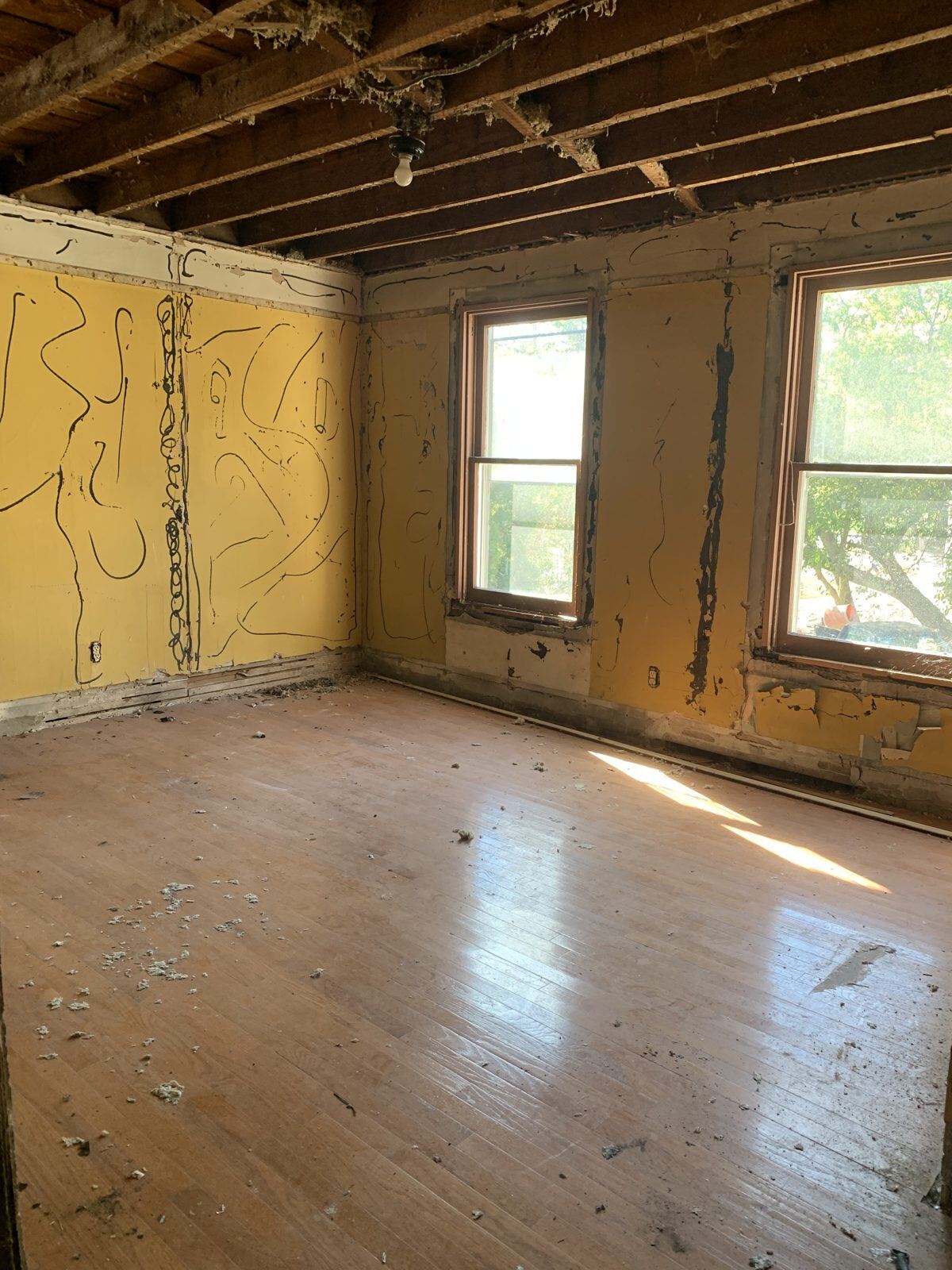
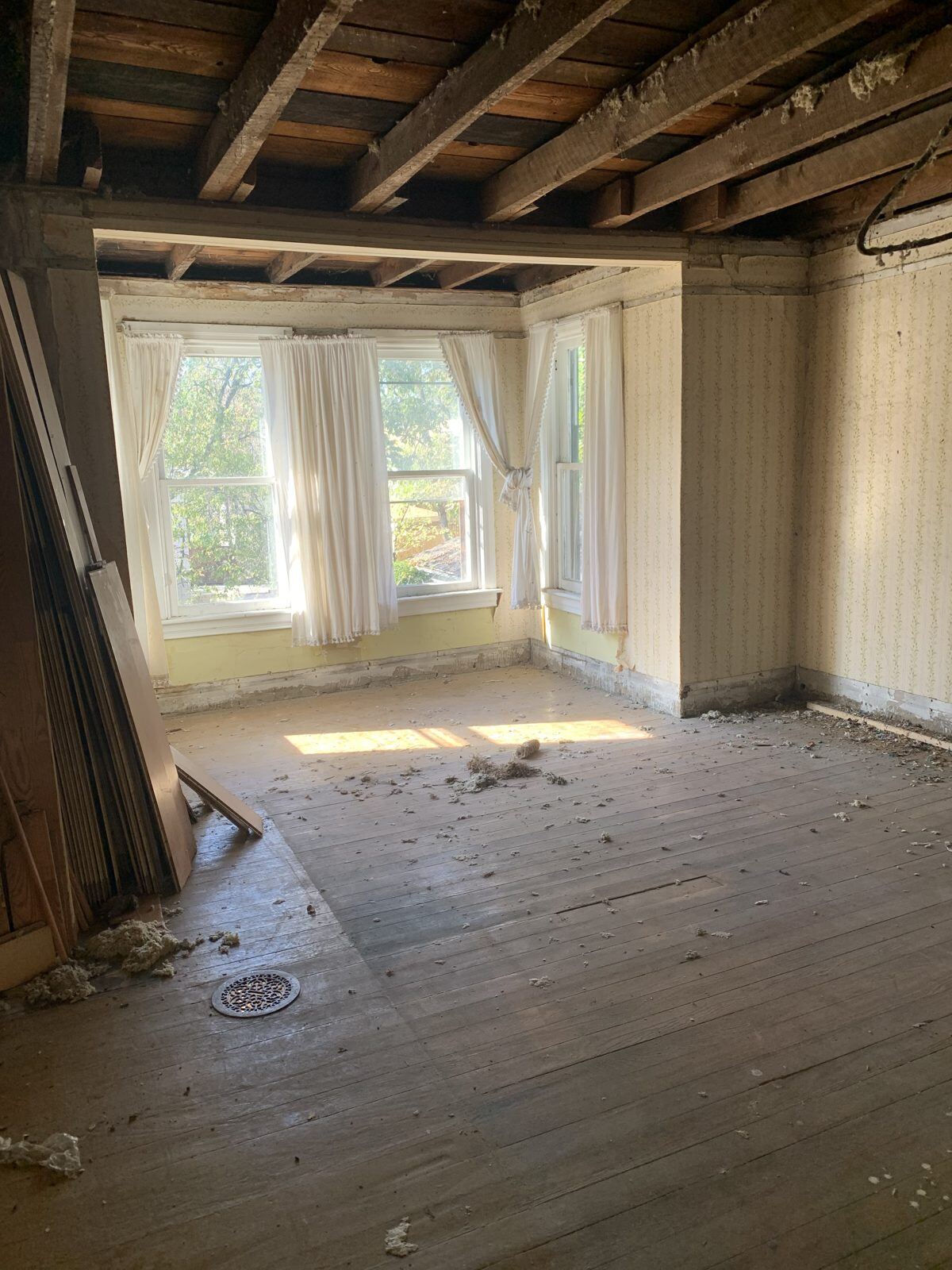
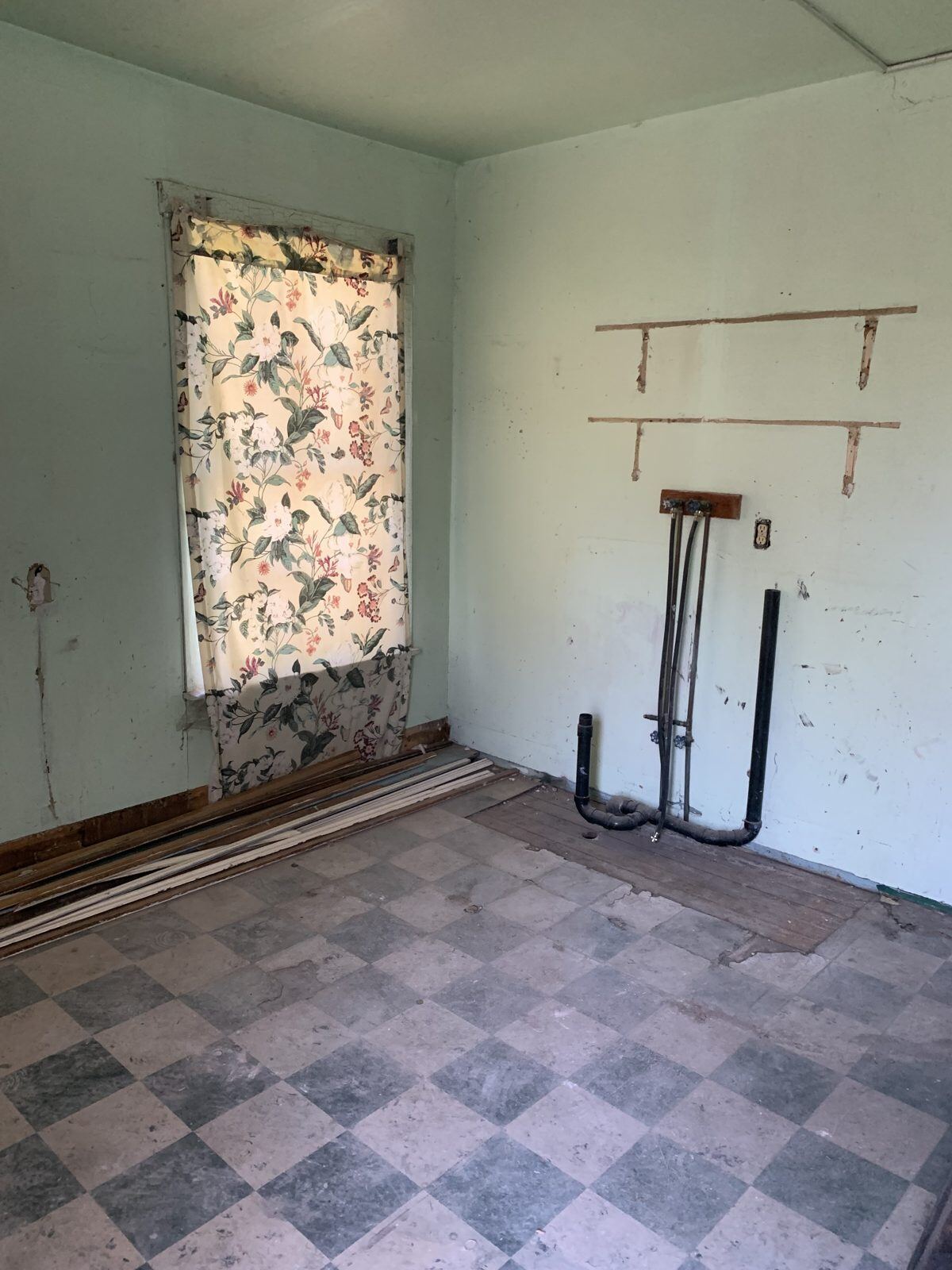
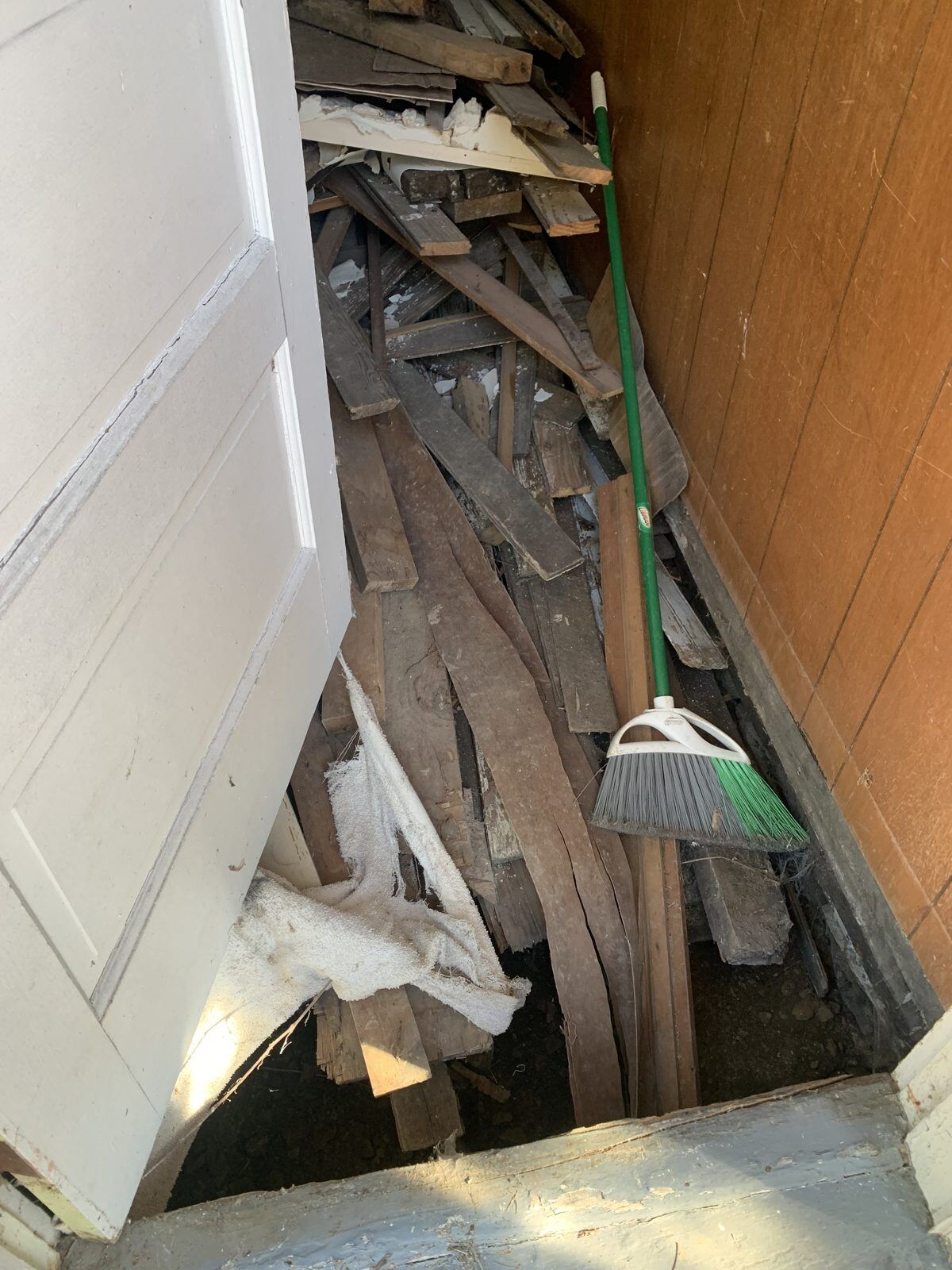
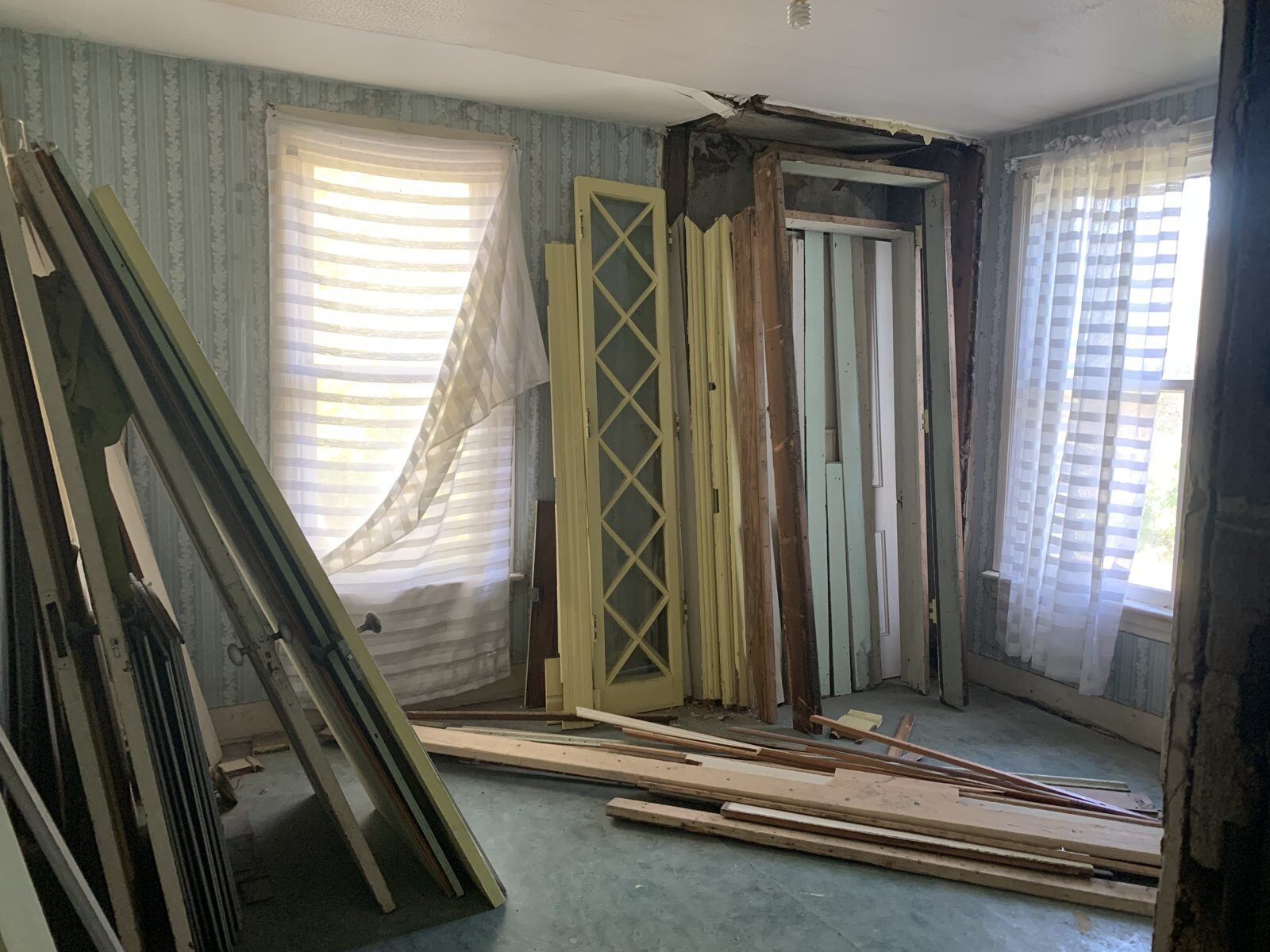
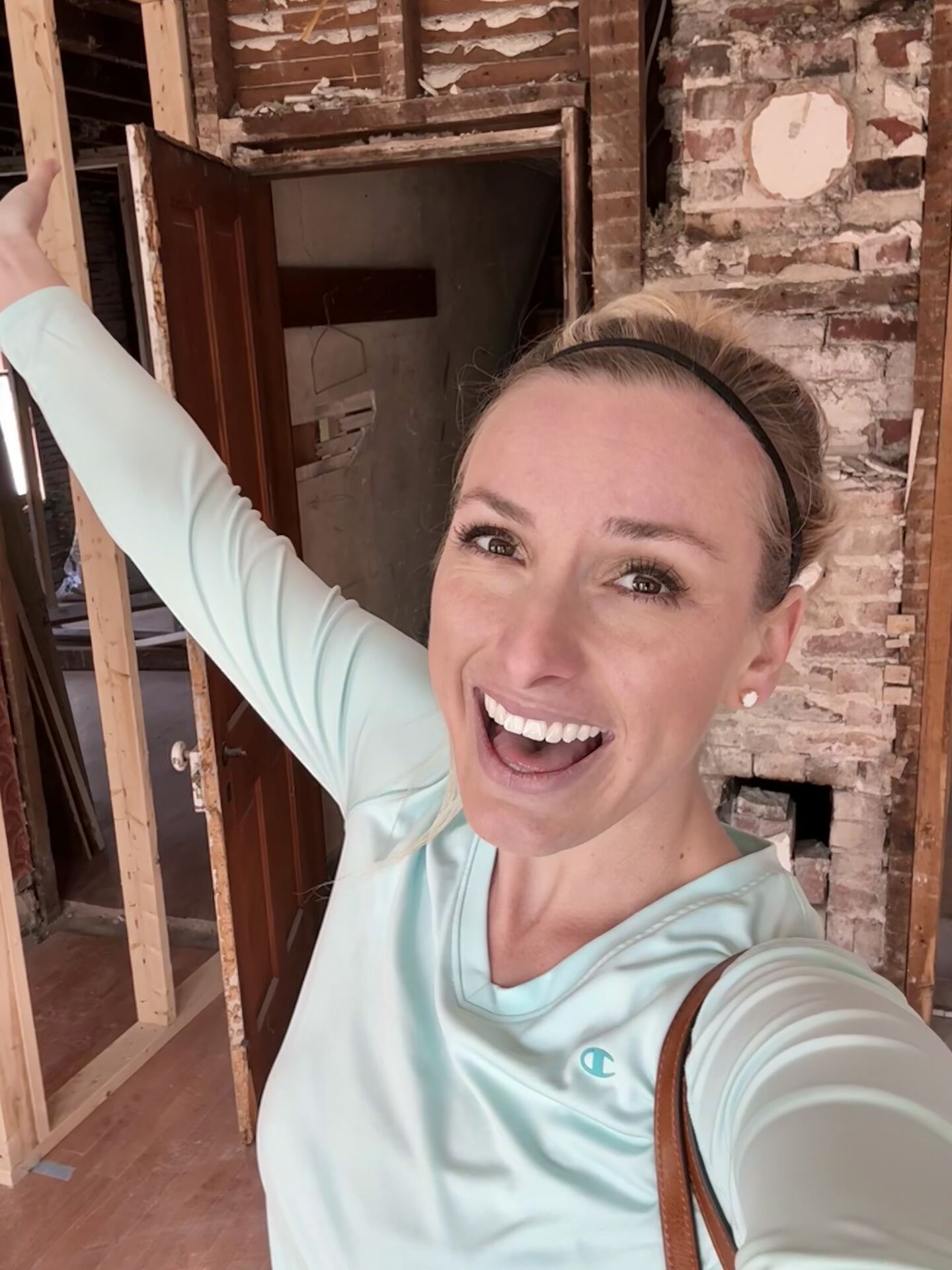
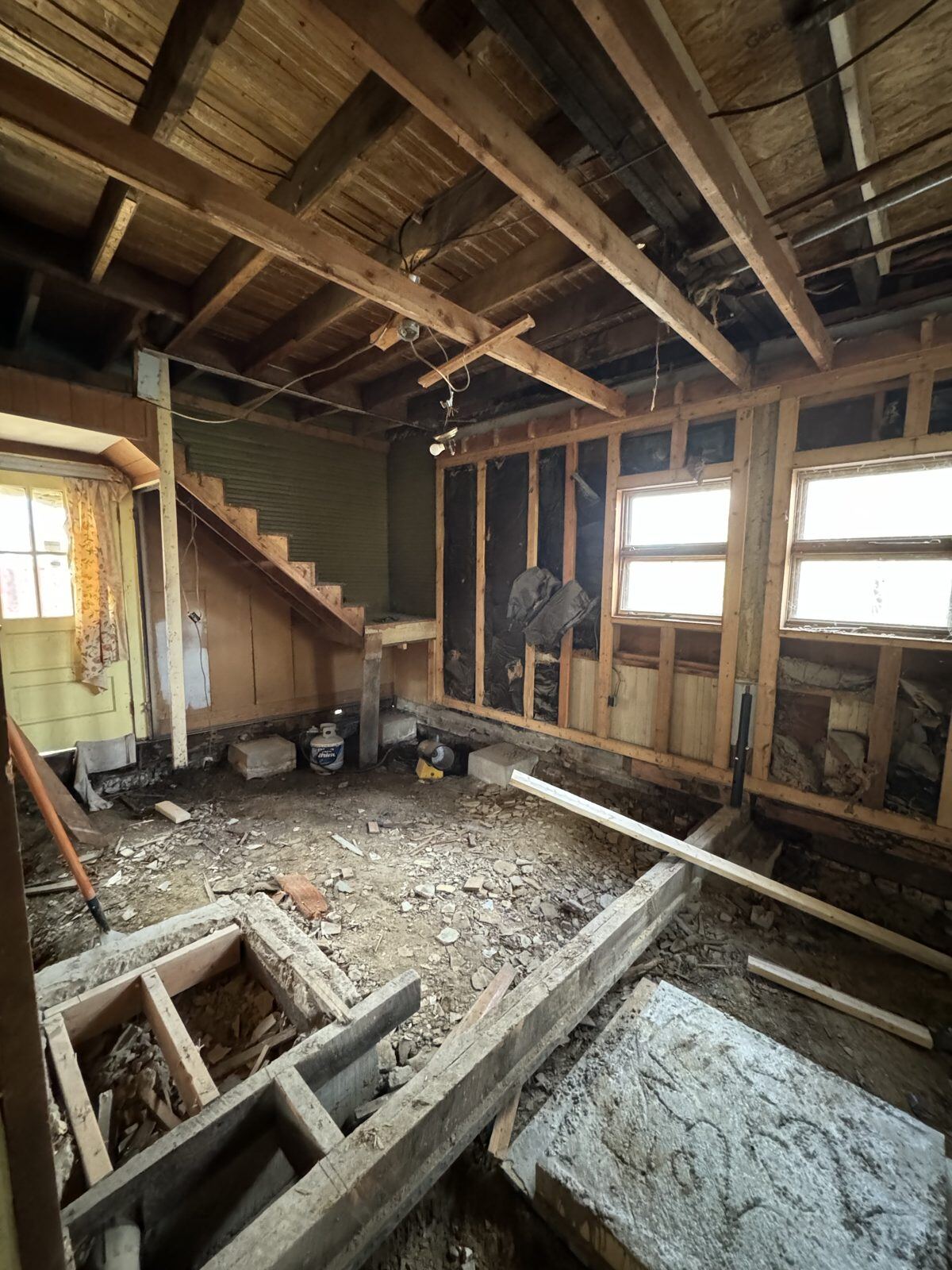
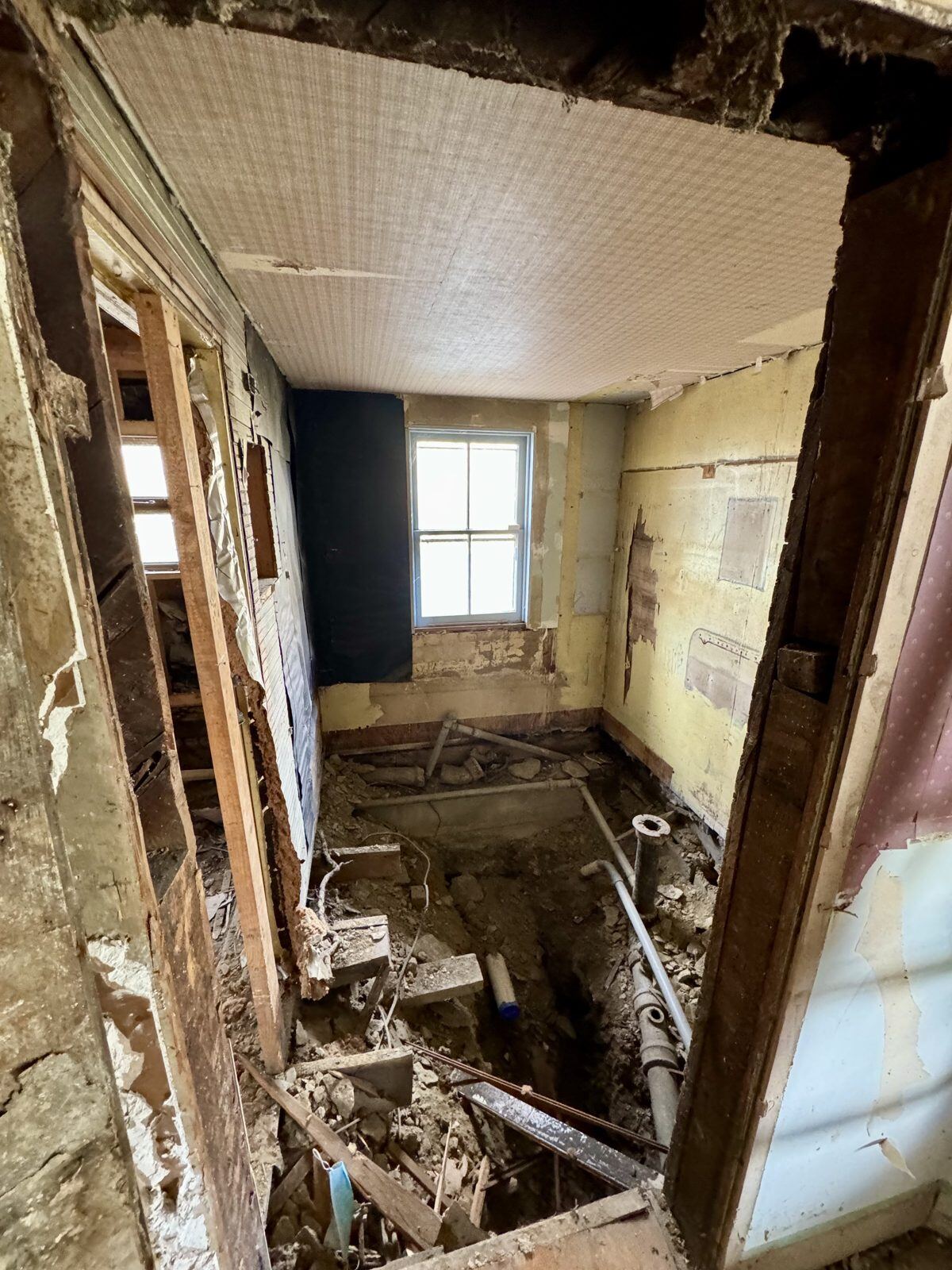
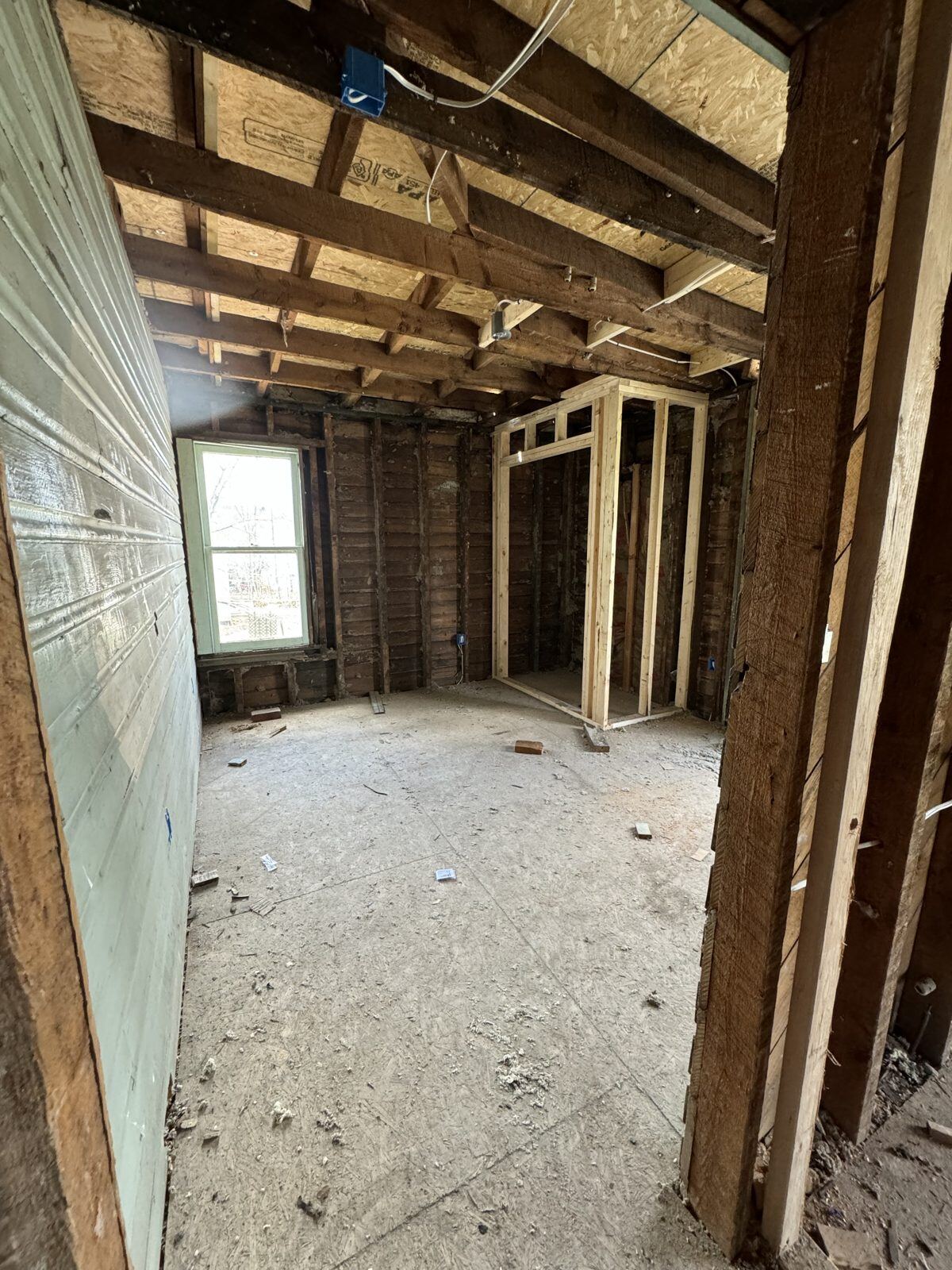
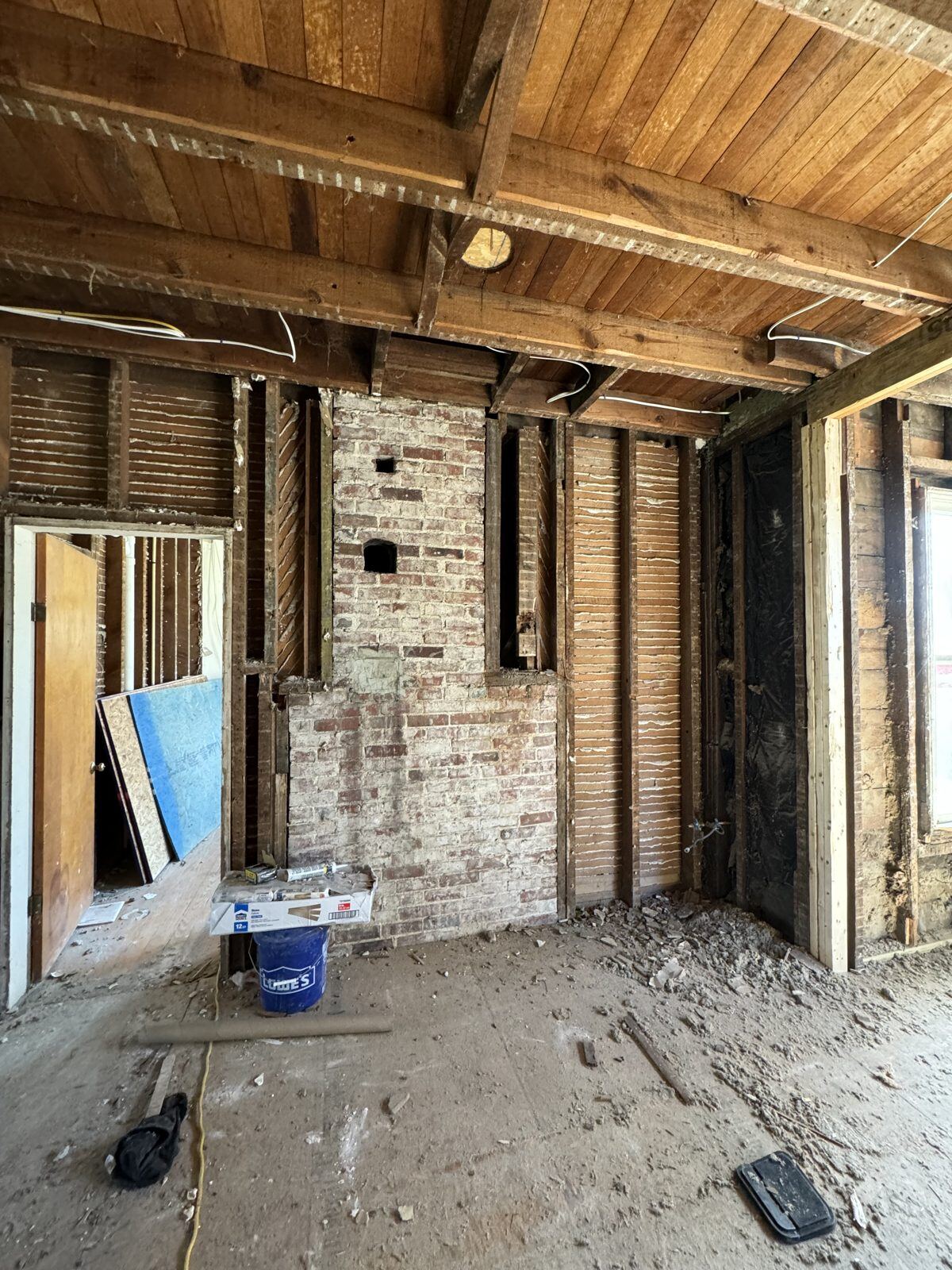
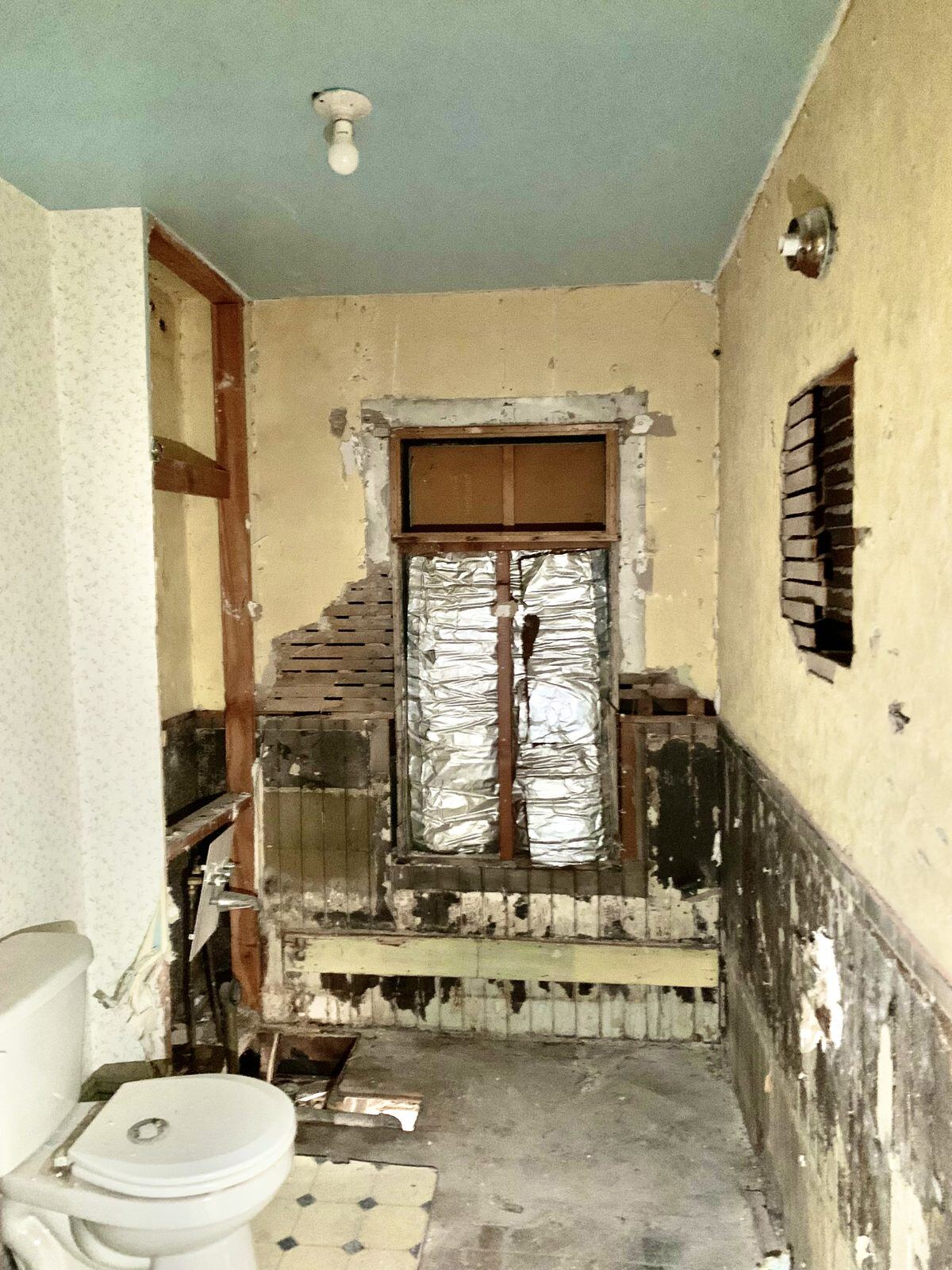
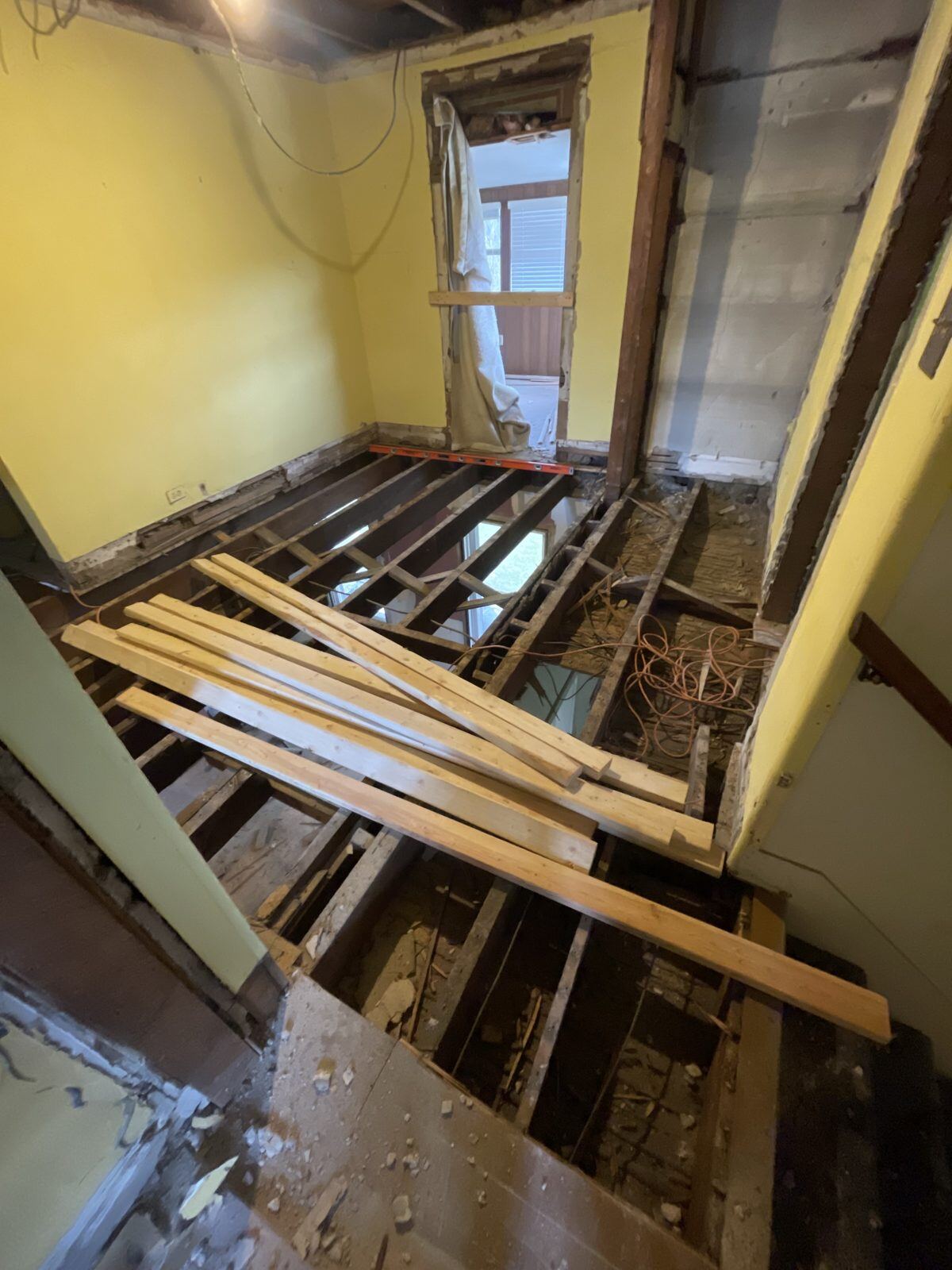
There were only five photos on the MLS, and none of them showed the actual condition of the house. This is what the interior really looked like.
The Craven House seemed determined to reveal a new surprise every time we opened a wall, or frankly, attempted to do just about anything.
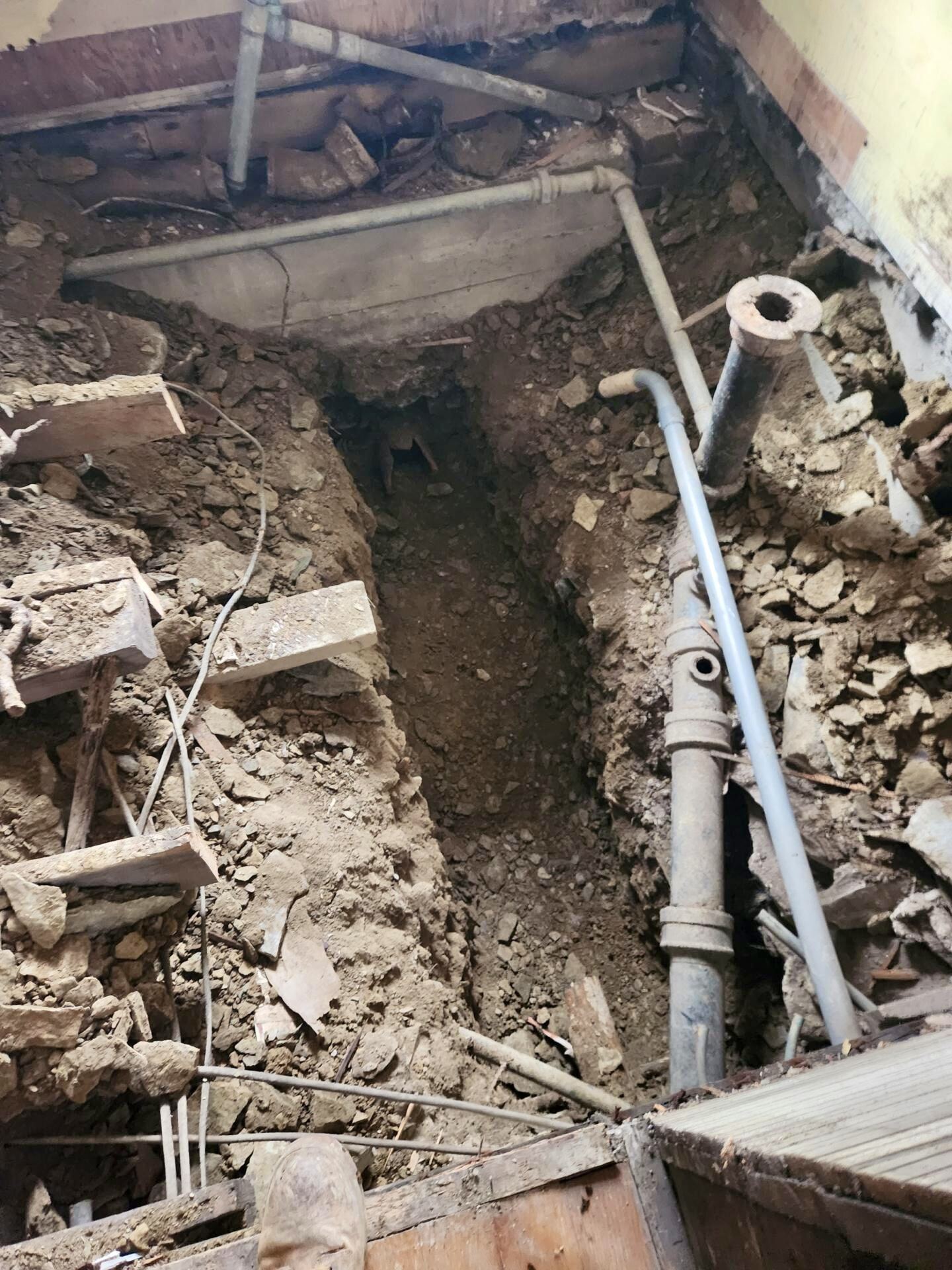
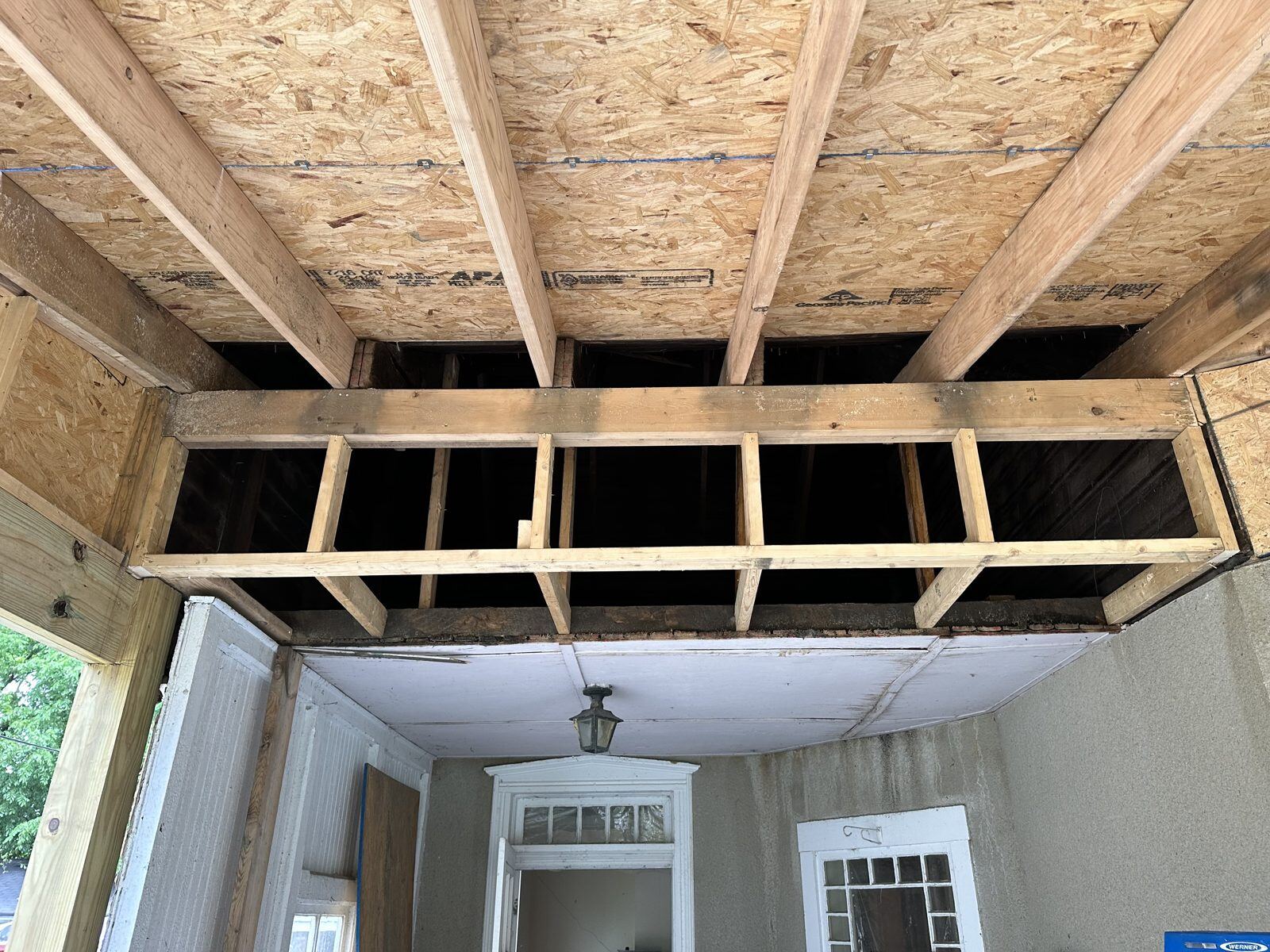
What began as a renovation quickly became an exercise in discovery. Beyond the expected challenges of restoring a 130-year-old home, we encountered countless surprises that no inspection report could have fully prepared us for. Animals had likely found their way into portions of the home during years of vacancy. We uncovered outdated knob-and-tube wiring that required a complete overhaul of the electrical system. The plumbing was replaced in its entirety, and we found the location of a probable former outhouse under an addition to the home. Portions of the structure were rebuilt down to the studs, and in many places the studs themselves had to be replaced. Every stage of the project seemed to reveal a new challenge hiding beneath the surface.
Not a cosmetic flip. We rebuilt down to the studs, all the way down to the dirt in some cases, and in many places replaced the studs themselves.
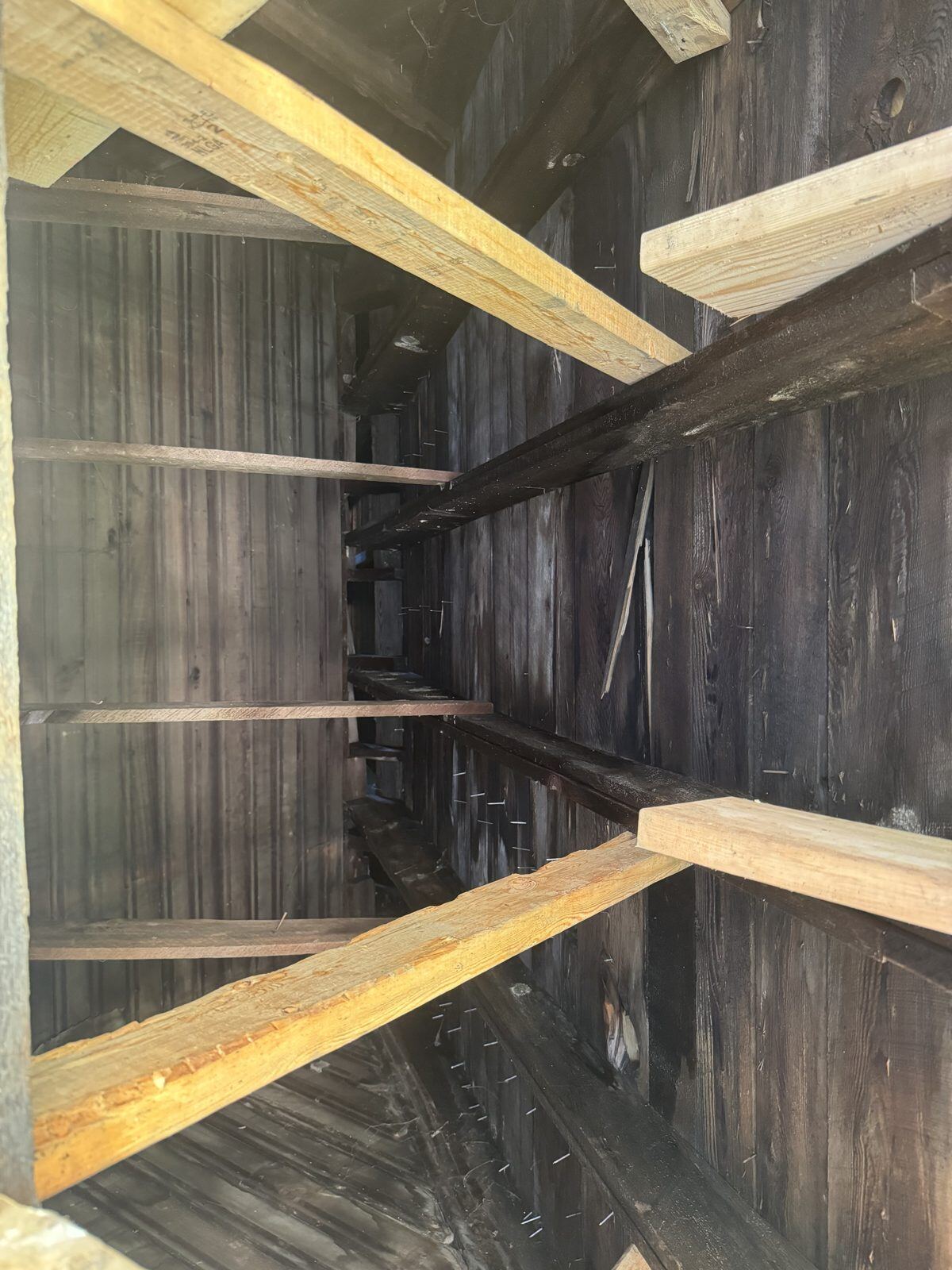
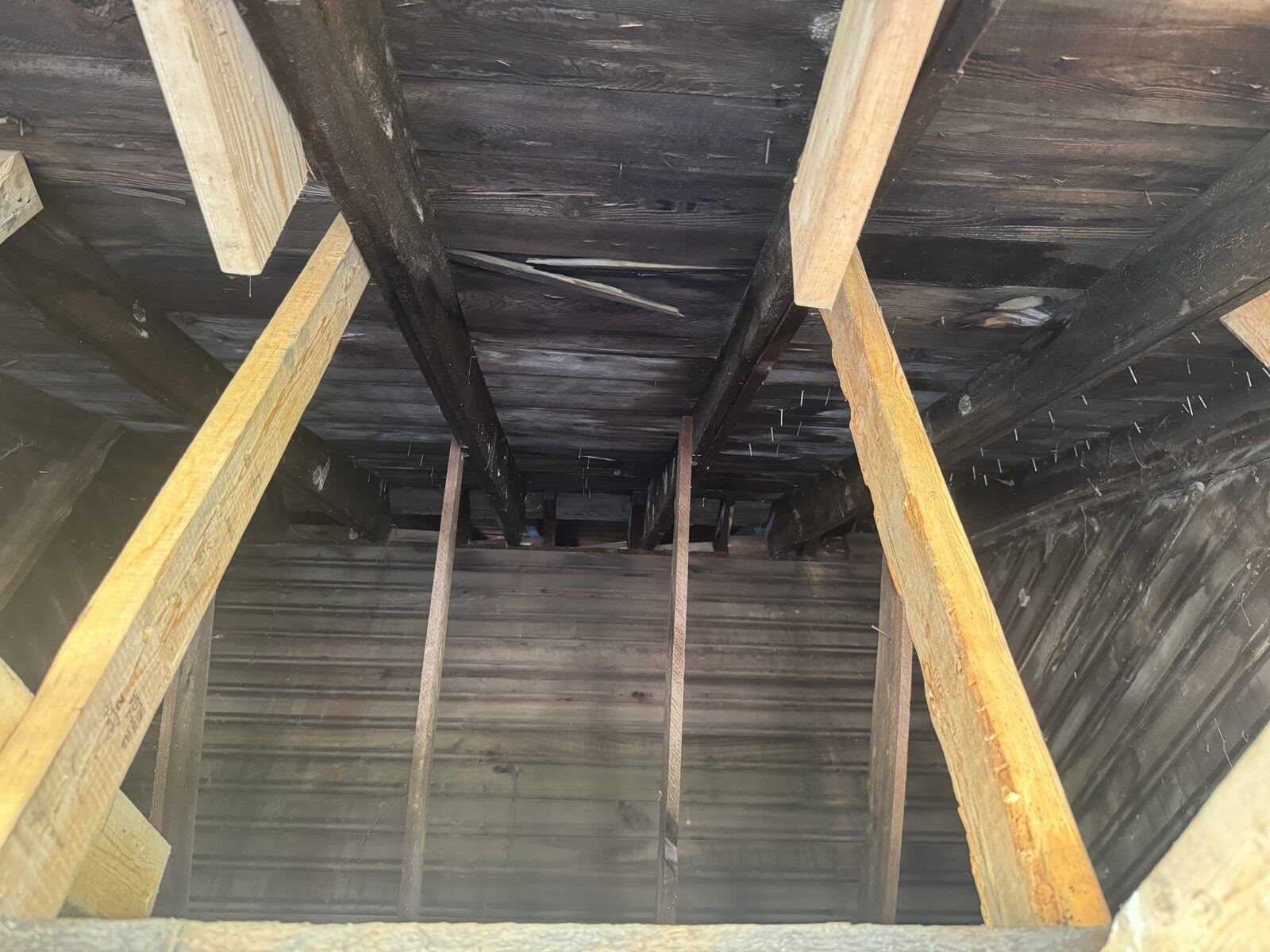
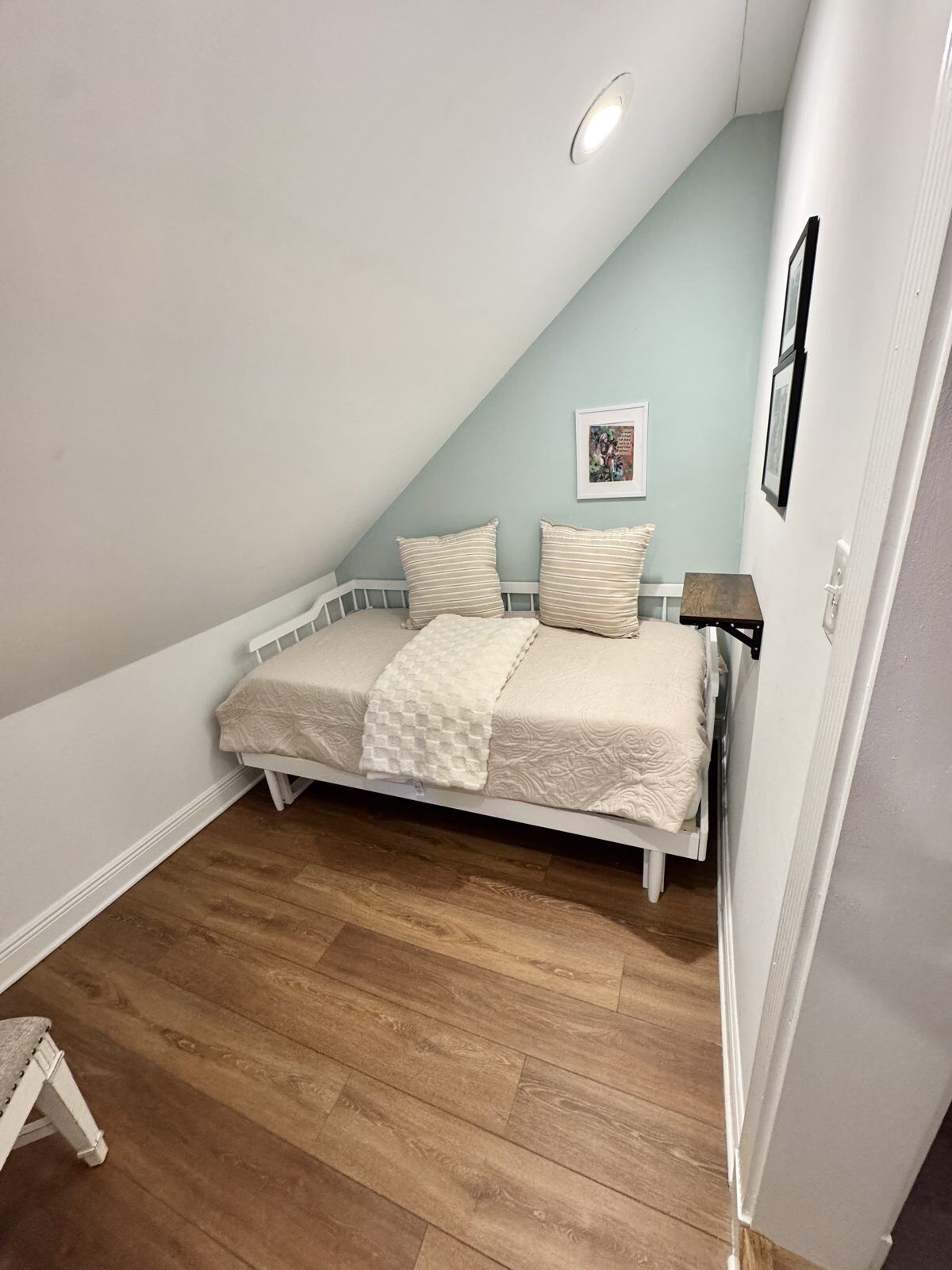
One of the surprises the house was hiding: a room tucked into the roofline that no one knew was there about 6 months into the project. Finding it was one of my favorite moments of the entire project. If I would have known it was there, I likely would have reconfigured part of the upstairs.
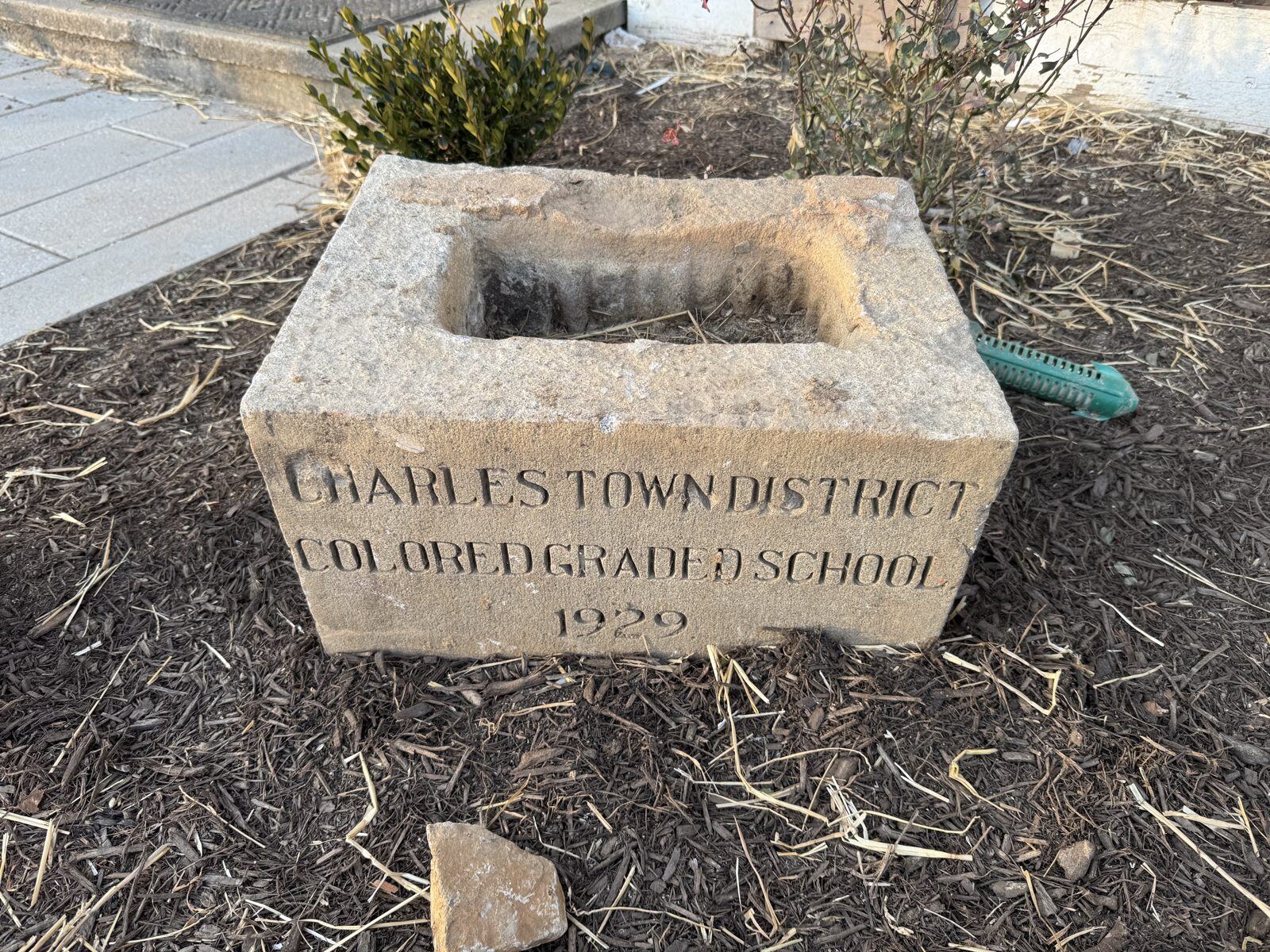
Some of the discoveries went far beyond construction. During the restoration, we uncovered a remarkable historic marker that was initially mistaken for nothing more than an old stone. As I began researching its origins, it became clear that it represented a significant piece of local African-American history. The stone was engraved with the words "Charles Town District Colored Graded School 1929" and had somehow found its way onto the property decades earlier.
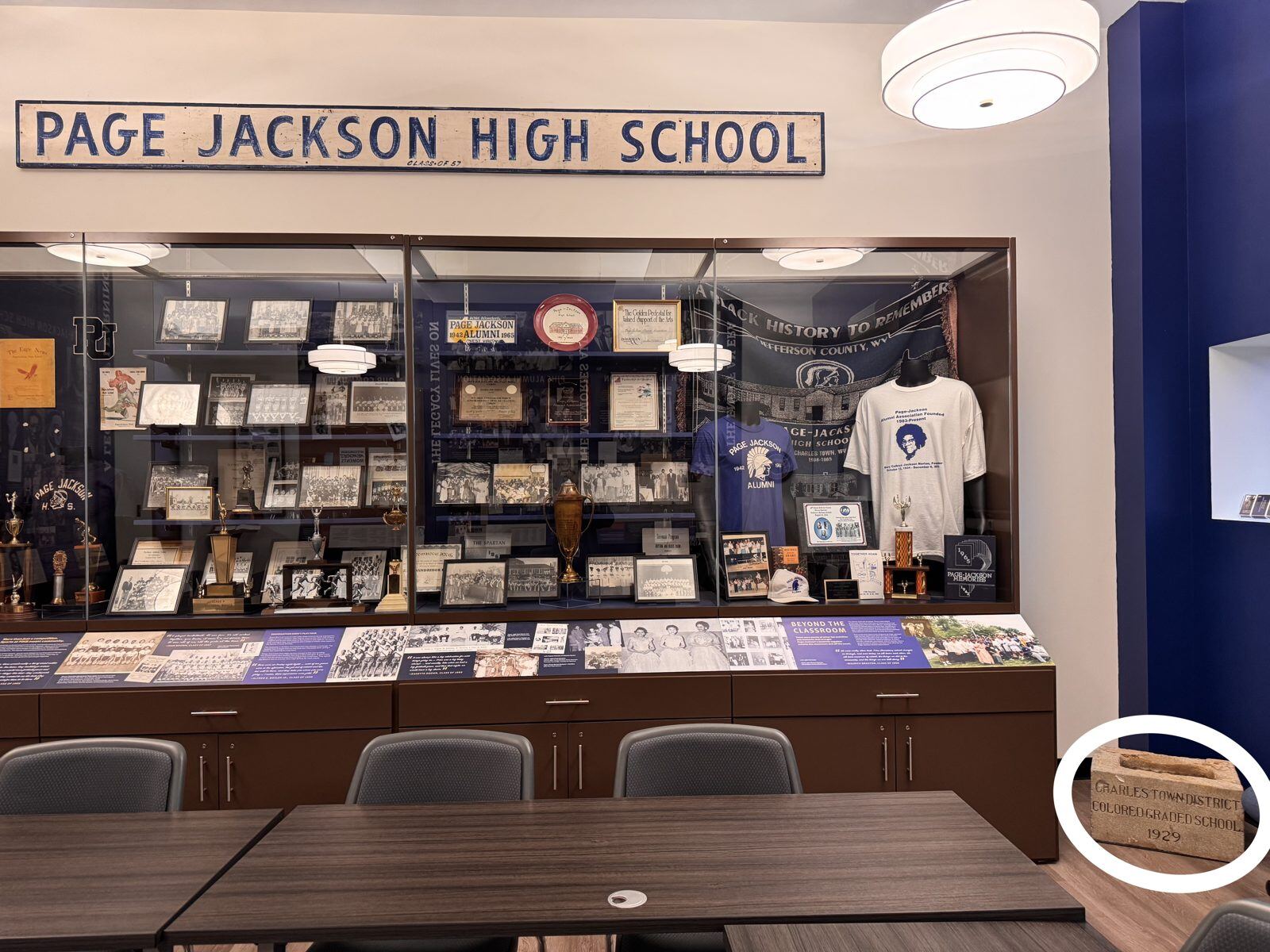
What began as a simple discovery turned into a meaningful preservation effort. Working alongside local historians and community members, I helped research the stone's history and significance. On July 15, 2025, I formally donated the marker to the Jefferson County Museum in Charles Town, West Virginia, where it now resides in the museum's Page Jackson Tribute Hall, a space dedicated to commemorating Page Jackson and the segregated high school that served African-American students in Jefferson County. Rather than remaining hidden on private property, the marker can now be preserved, studied, and shared with future generations.
That discovery opened the door to a much deeper understanding of the property's history and the community surrounding it. I found myself learning not only about the home, but also about the broader story of Harpers Ferry, one of the most historically significant towns in America. Through the process, I developed an even greater appreciation for the work of local preservationists, the Harpers Ferry Historical Association, and the extraordinary role that Harpers Ferry National Historical Park plays in protecting the stories that shaped our country.
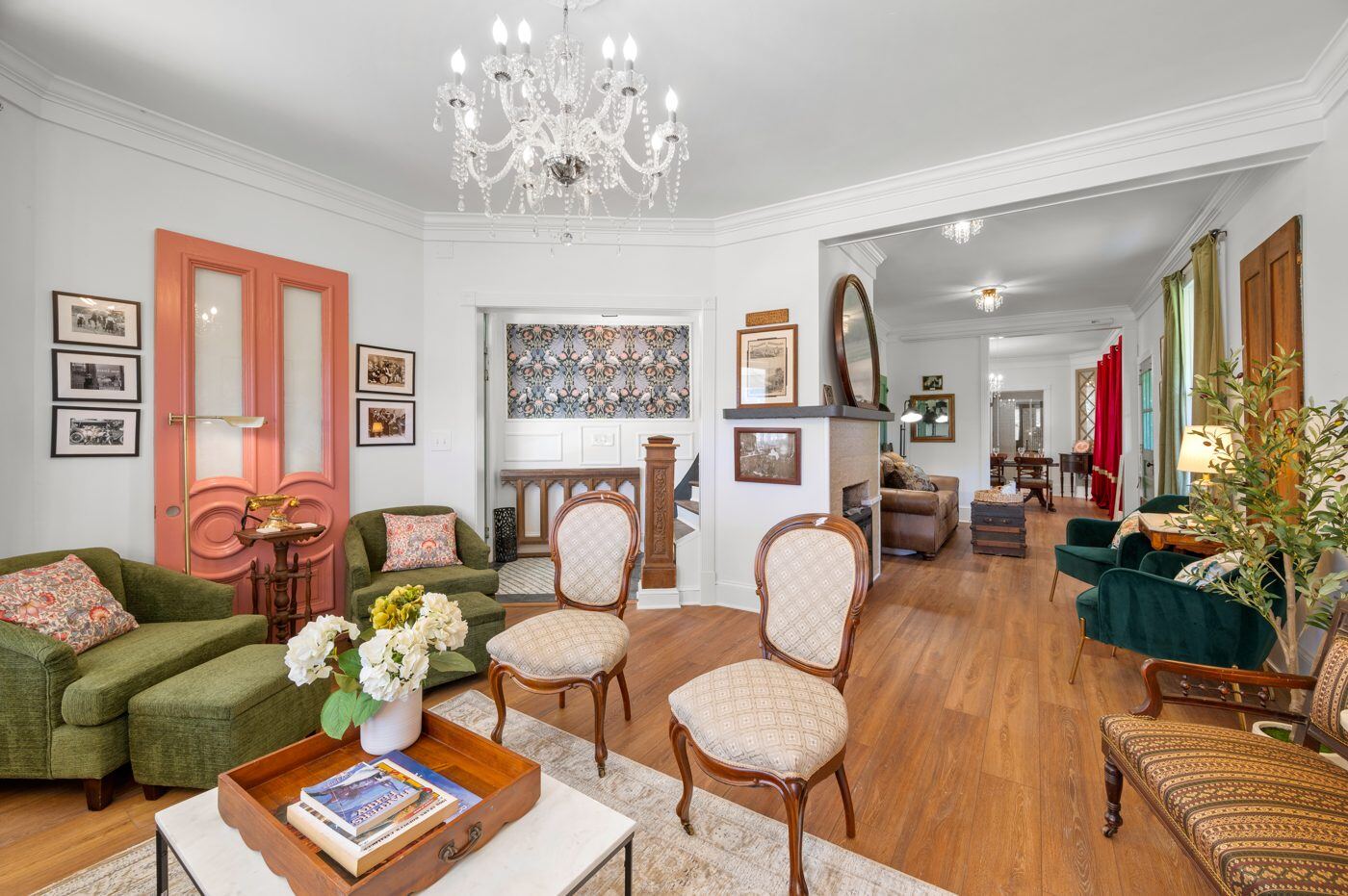
The home I purchased wasn't simply neglected. Much of its original character had already been removed by previous owners through partial demolition and renovations that stripped away many of the details that made the house unique in the first place. My mom and I made it our mission to change that.
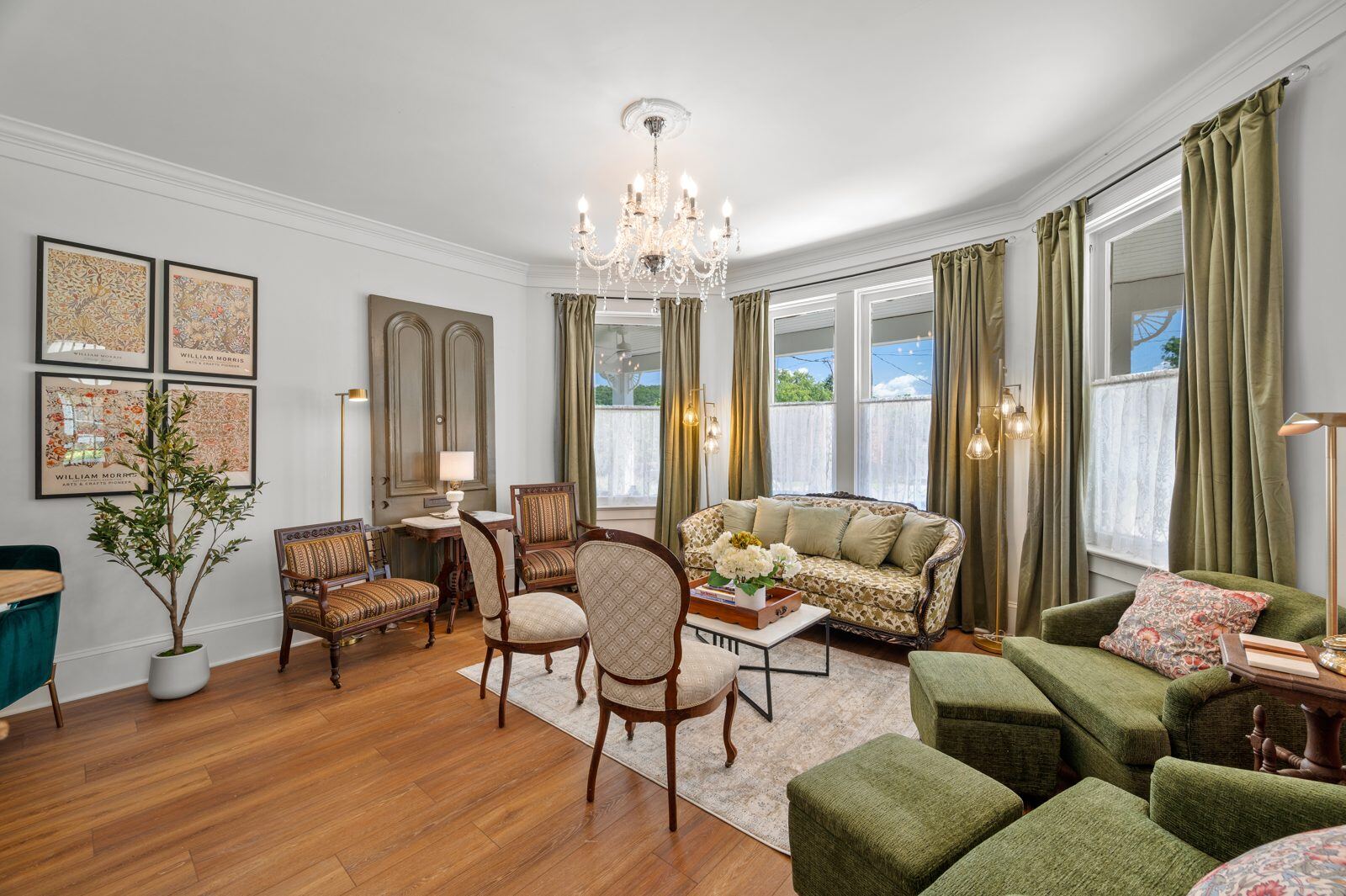
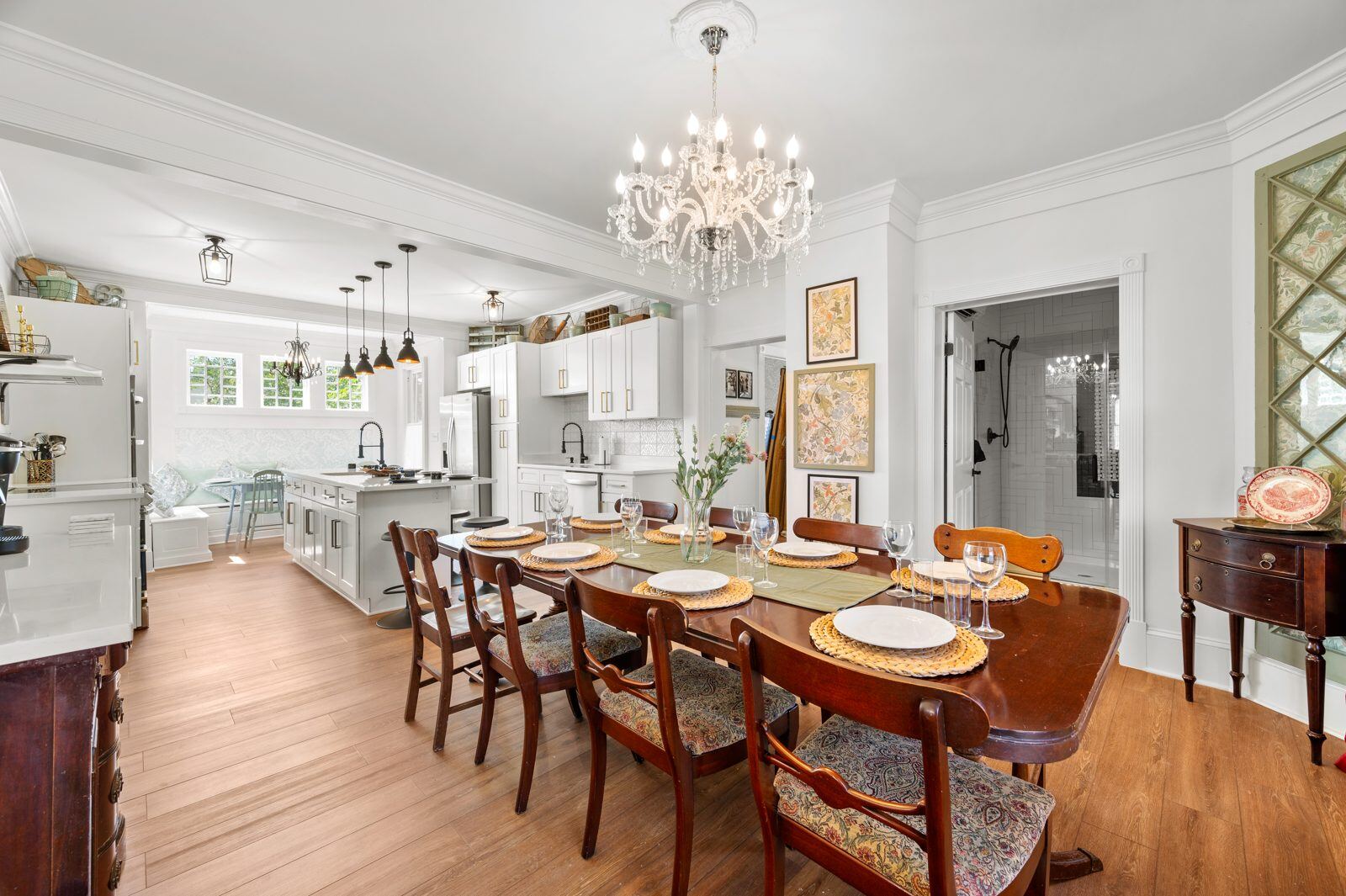
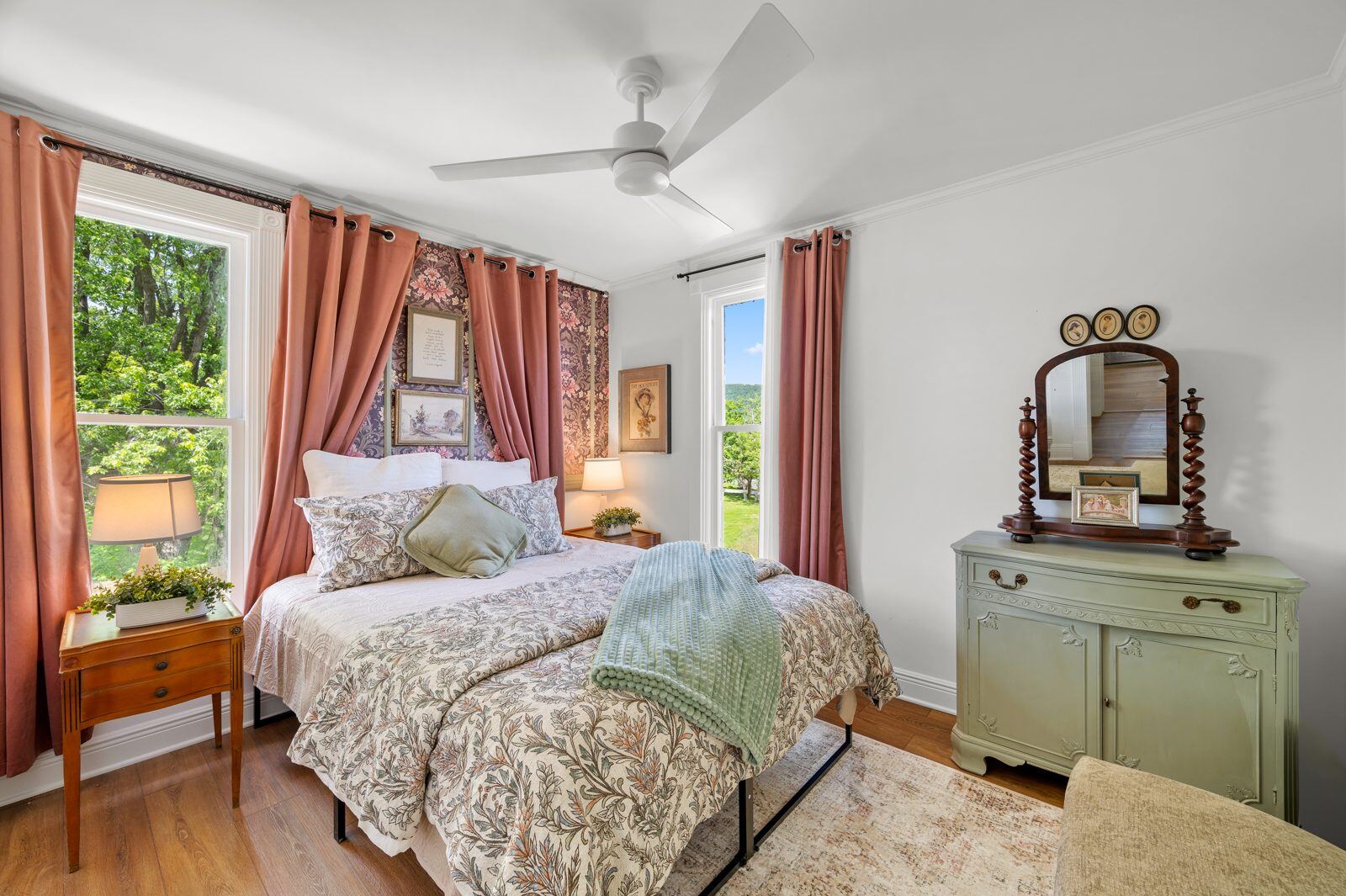
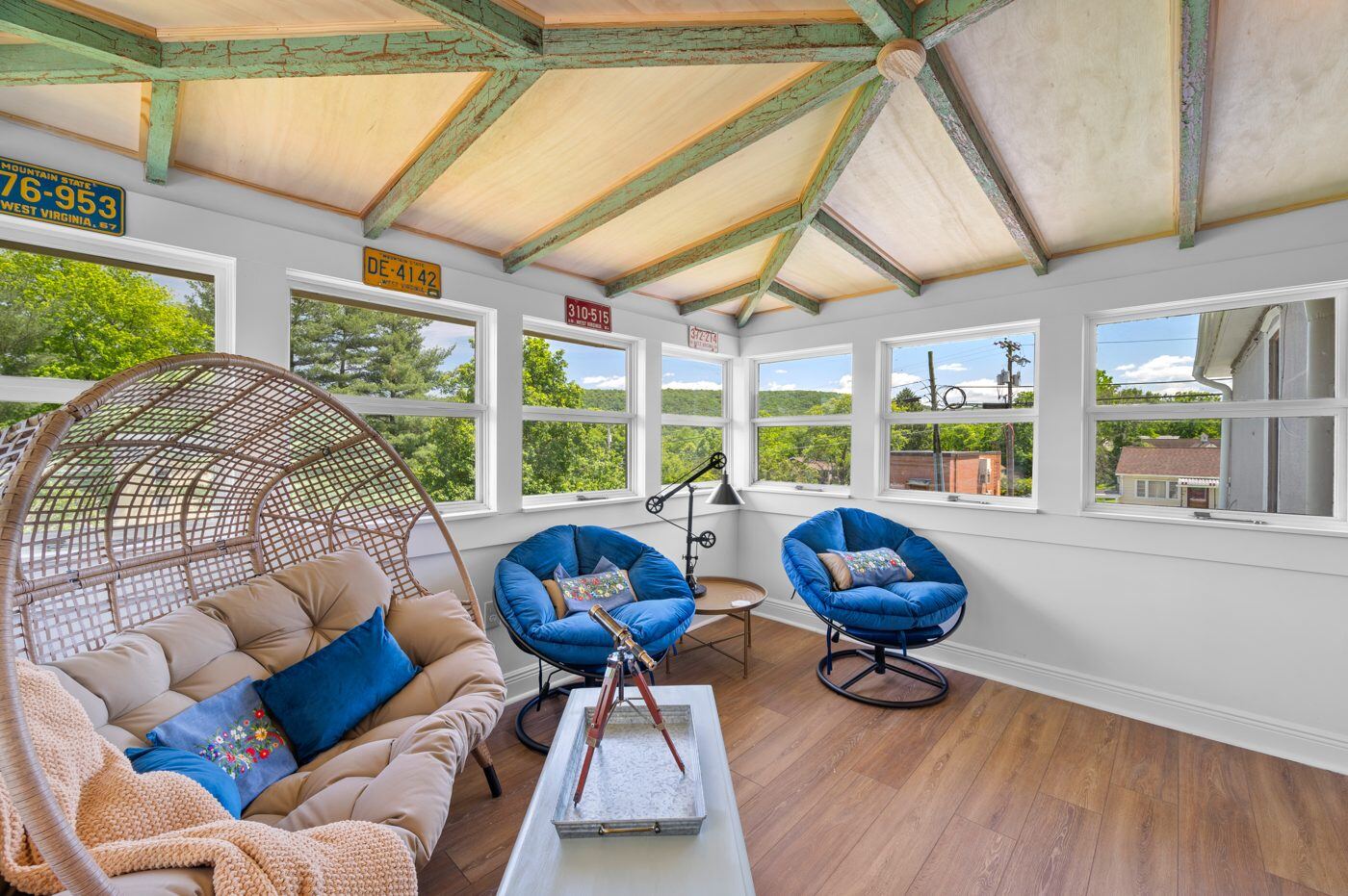
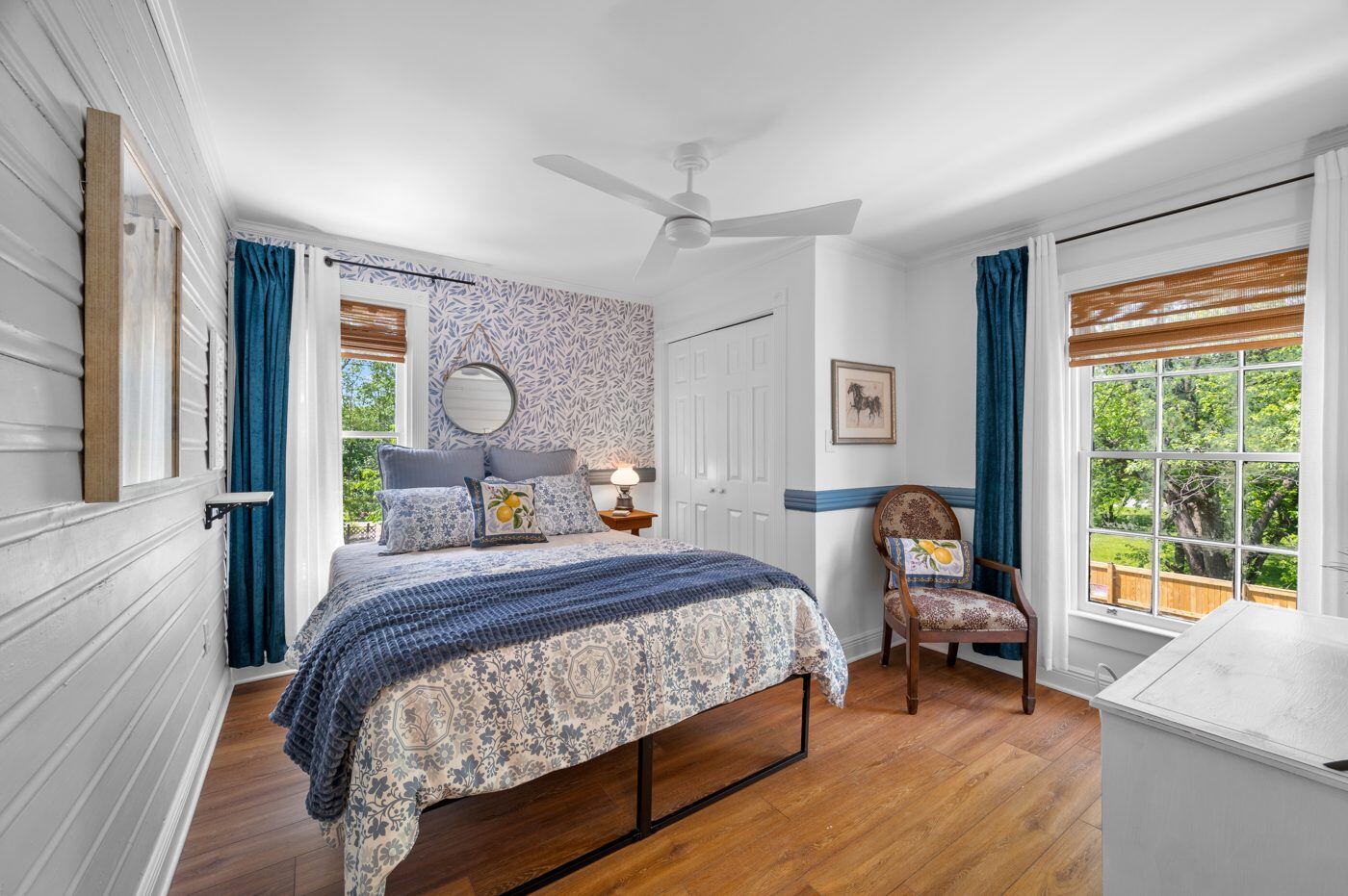
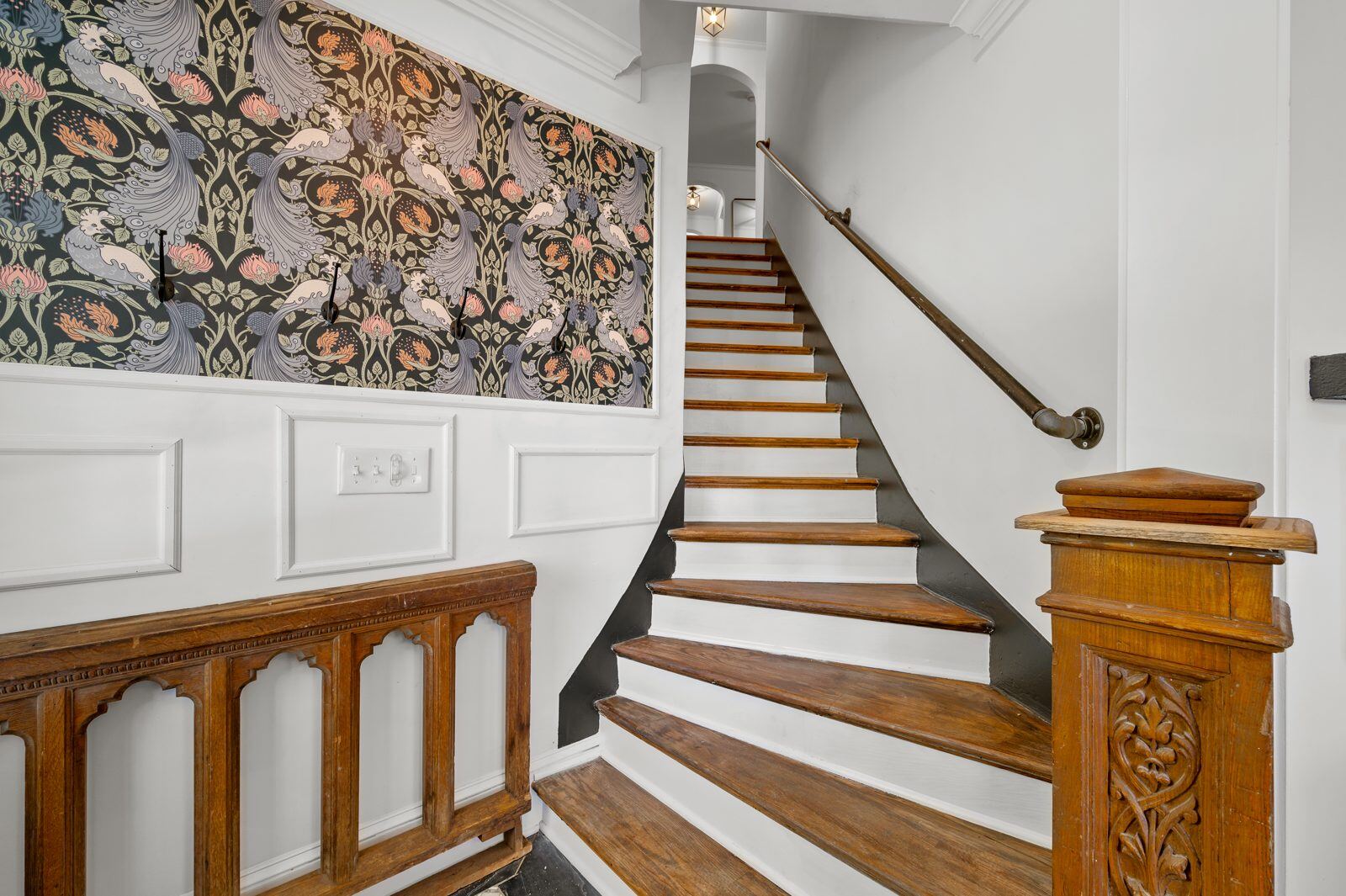
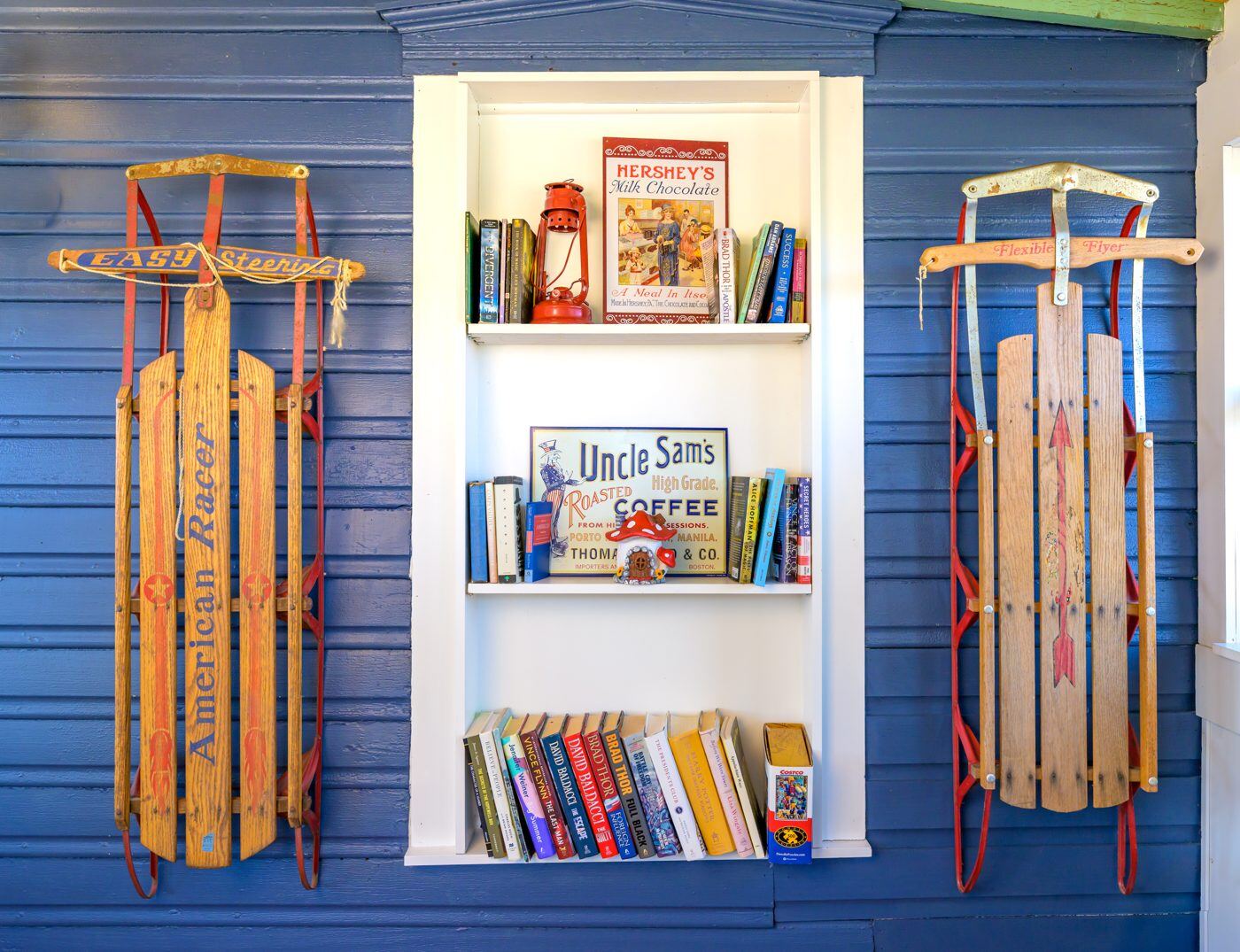
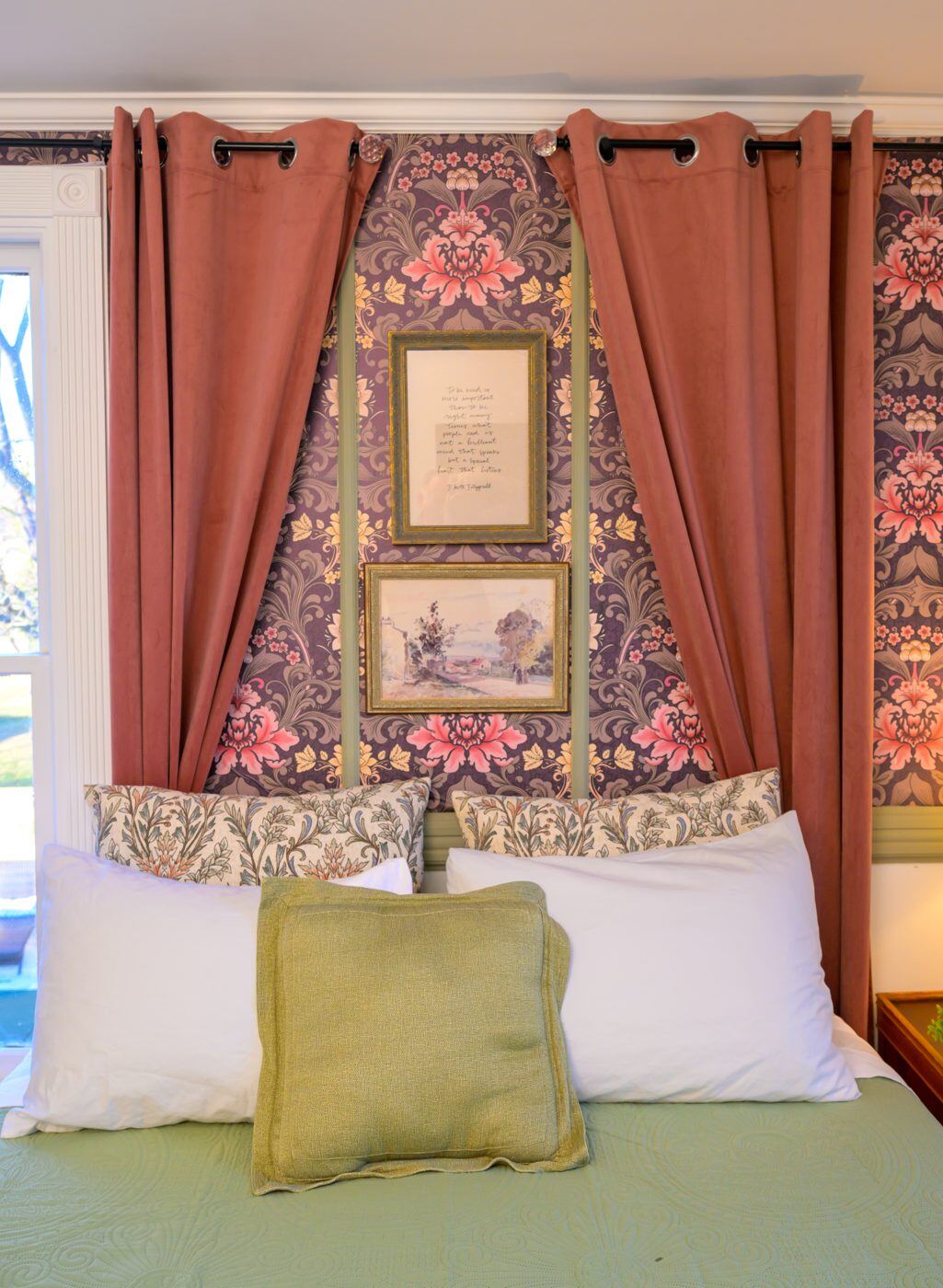
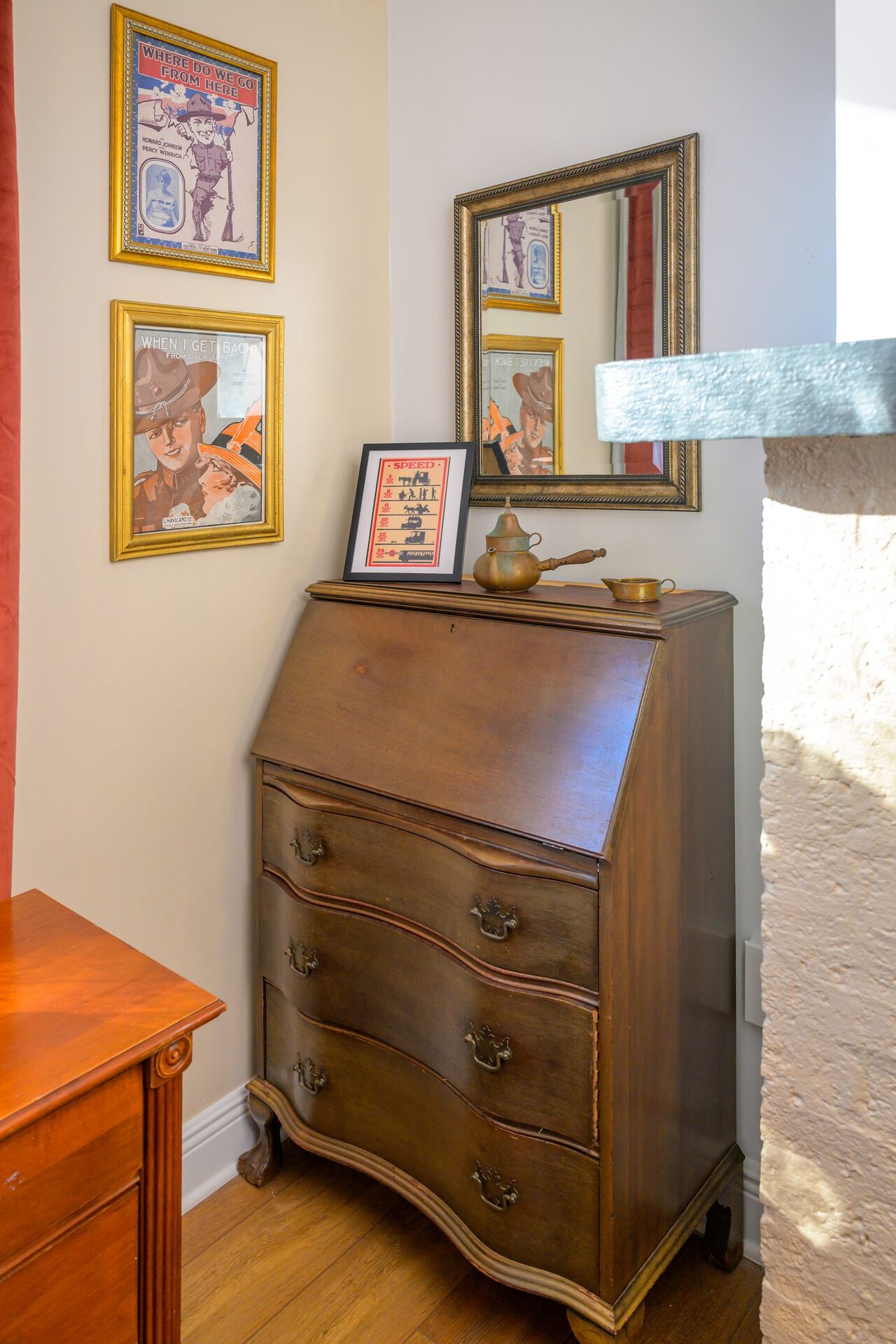
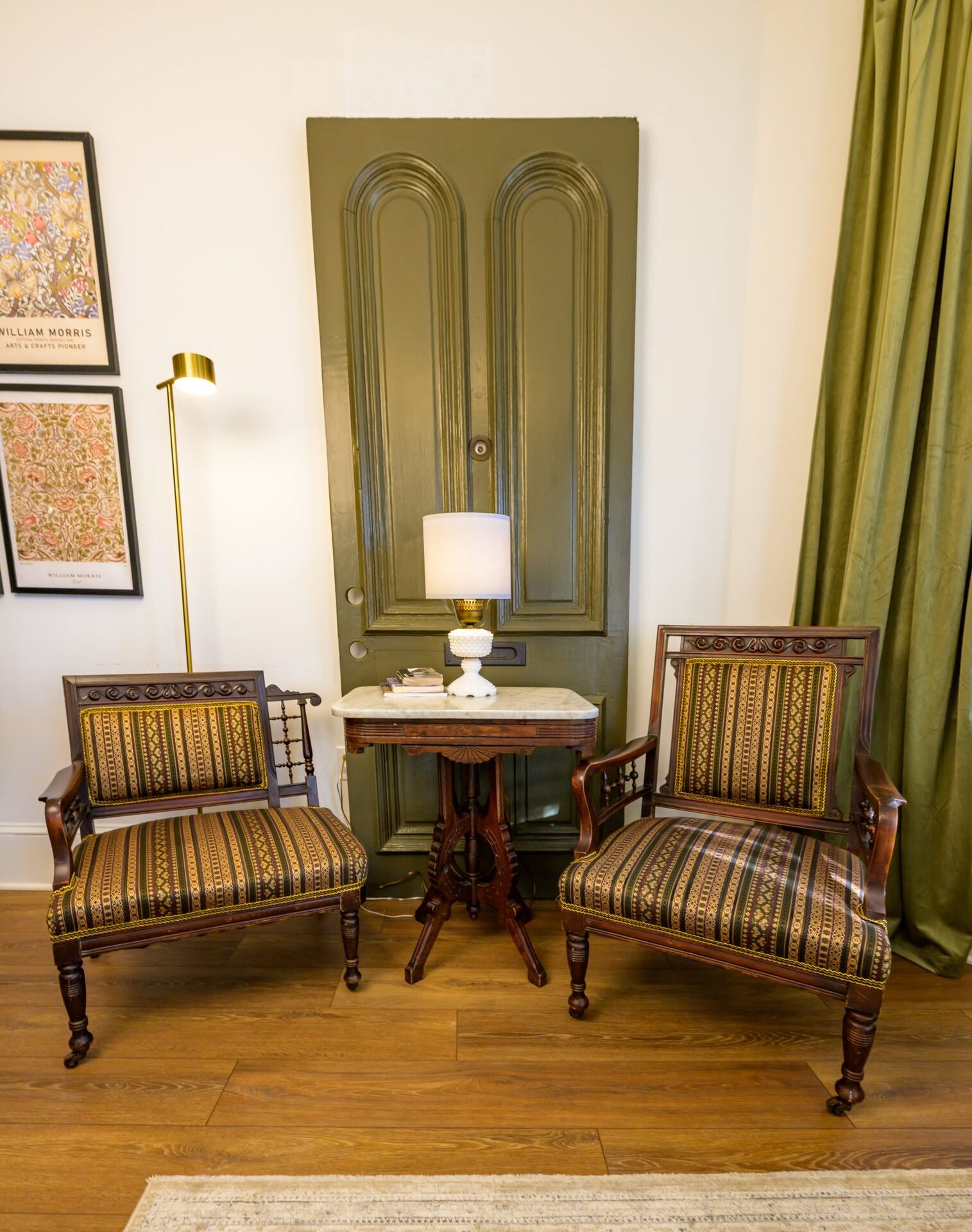
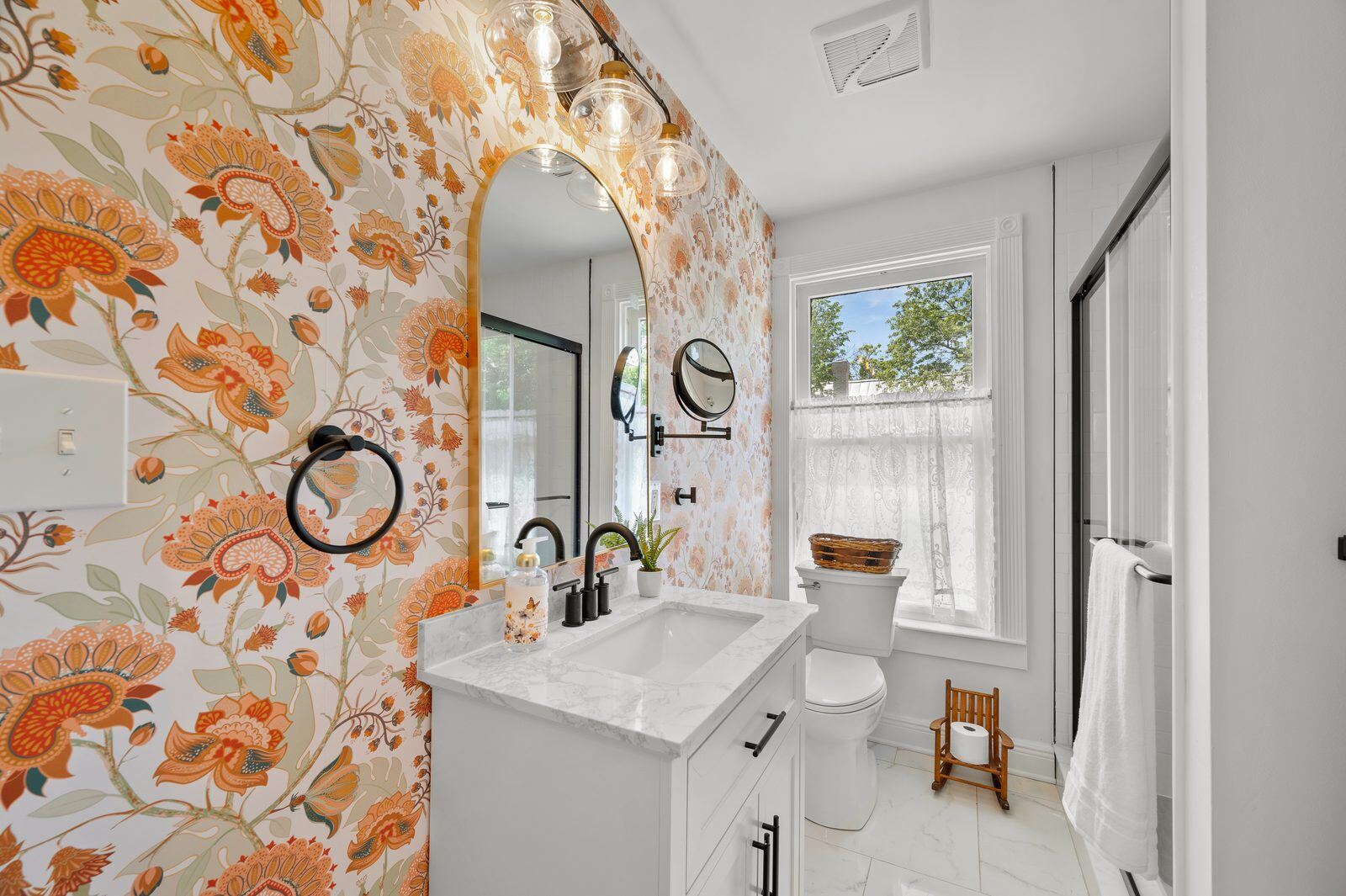
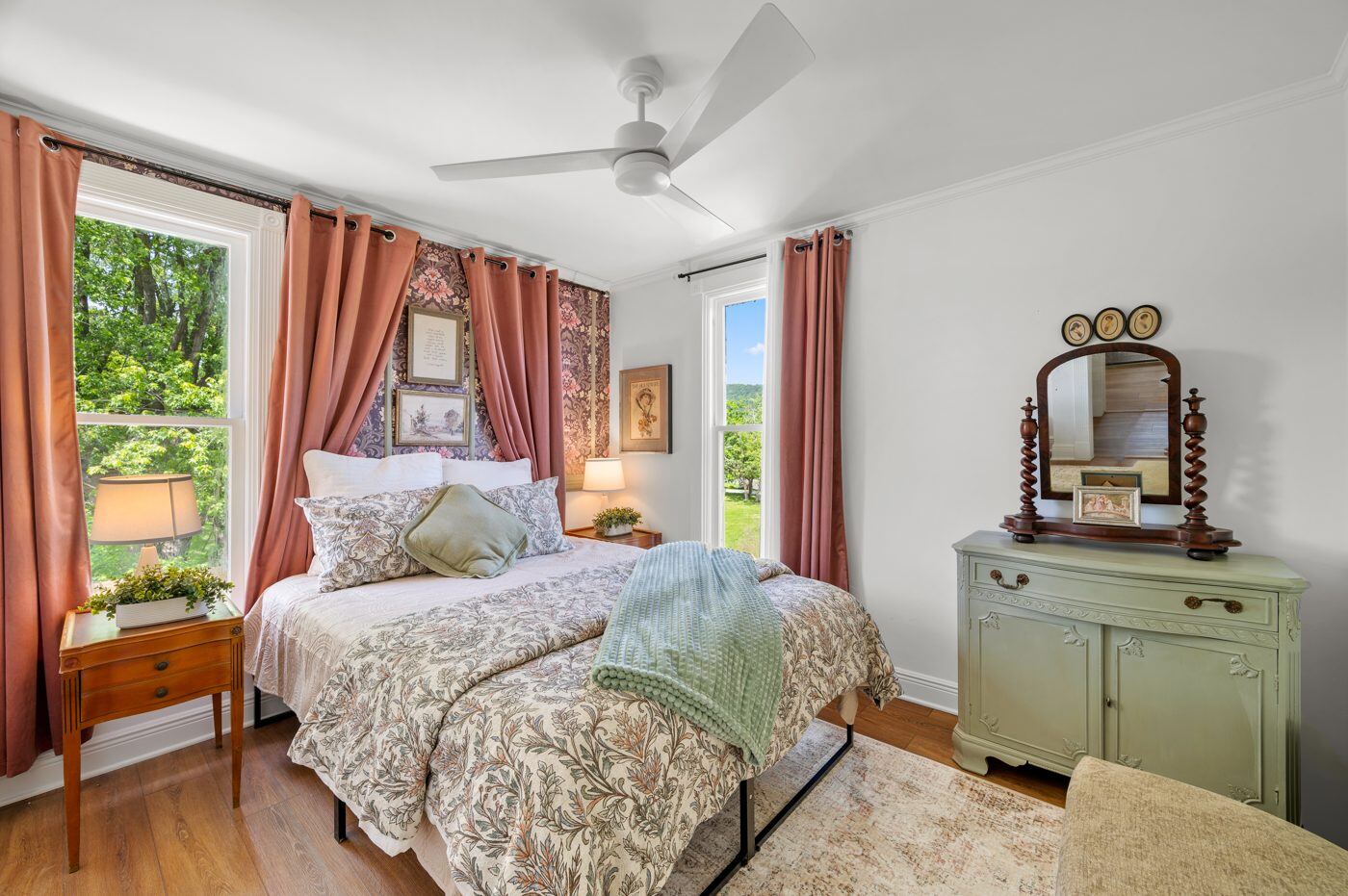
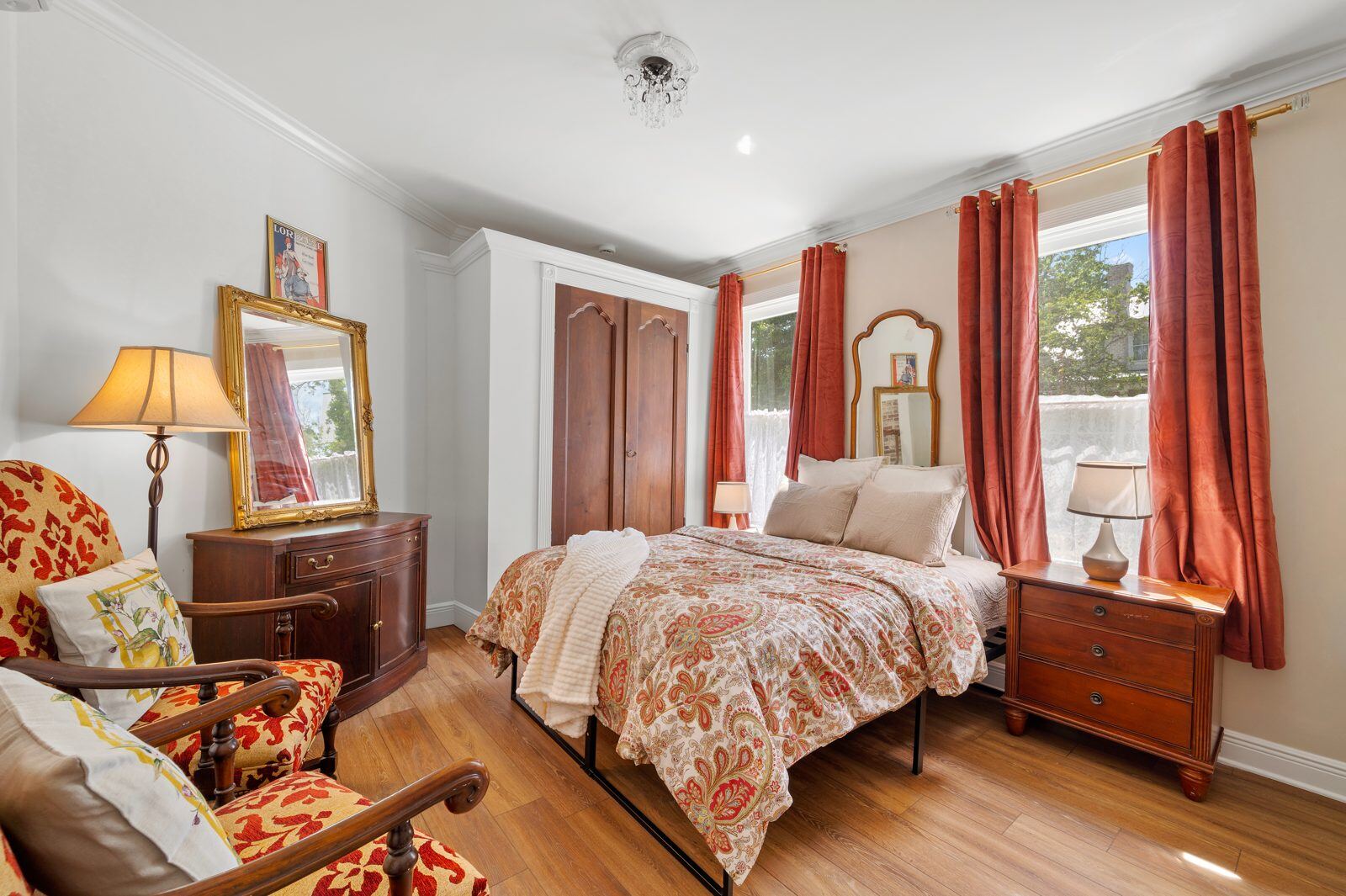
Guided by her historic design expertise, we spent countless weekends exploring architectural salvage yards, antique stores, thrift shops, estate sales, and specialty suppliers across multiple states in search of the right pieces. She brought an incredible appreciation for historic craftsmanship and architectural details, while I focused on functionality, design, and how modern guests and homeowners would experience the space. Together, we carefully curated a balance between historic charm and contemporary comfort, restoring character without sacrificing livability.
We wanted the home to feel authentic to its history while remaining warm, welcoming, and functional for modern life. The result became a collaboration between preservation and practicality, honoring the home's past while giving it a new future.
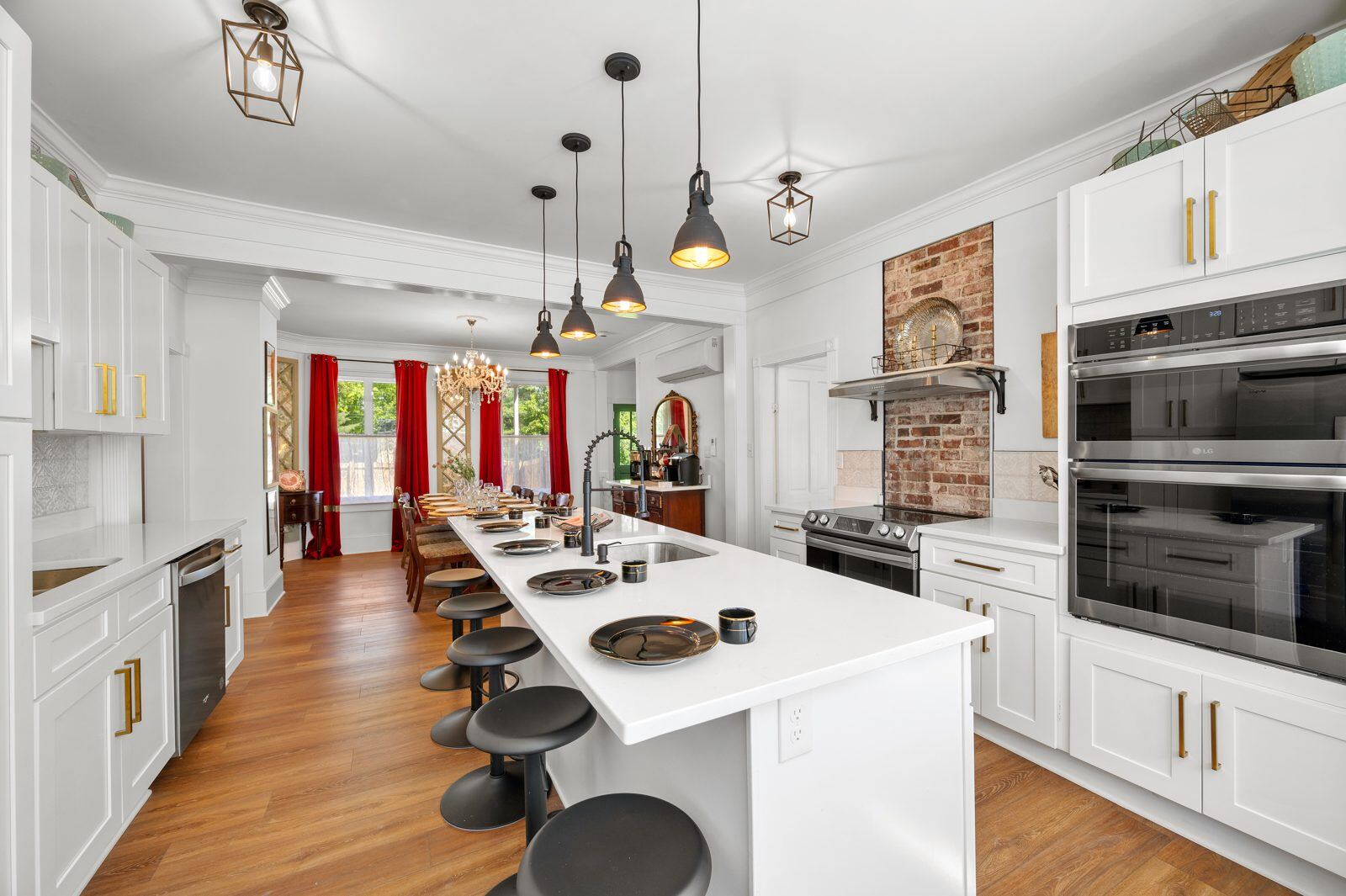
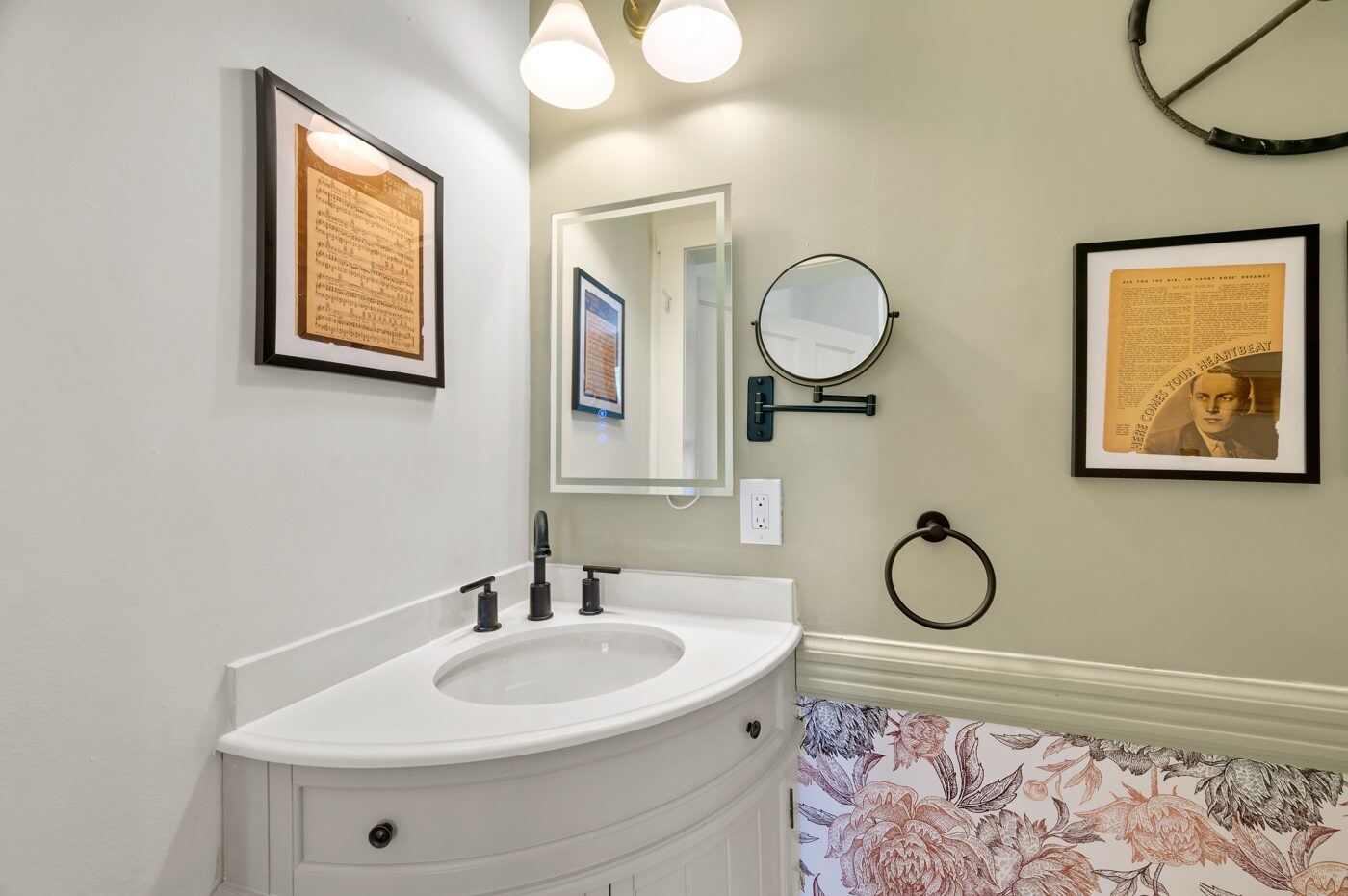
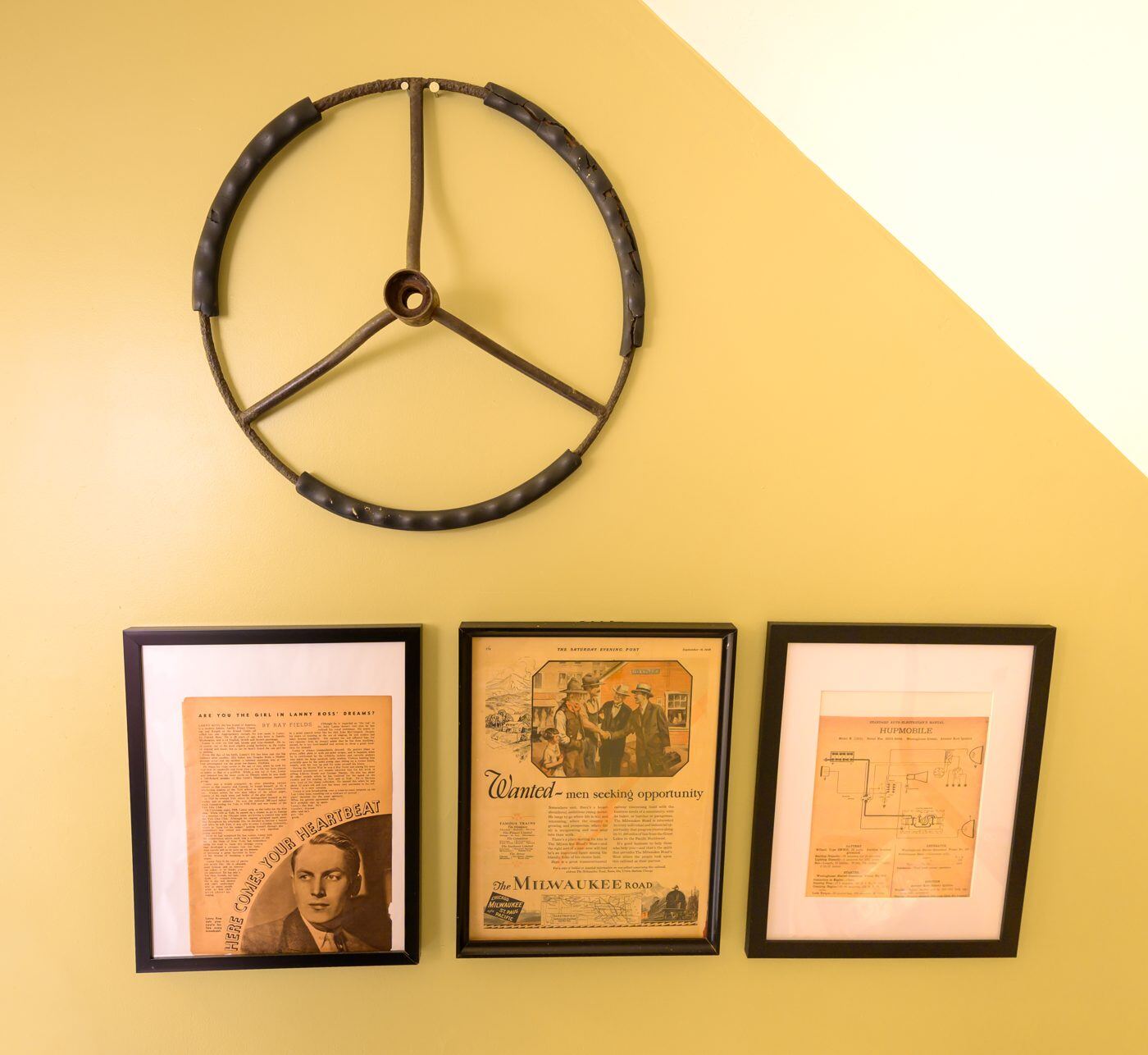
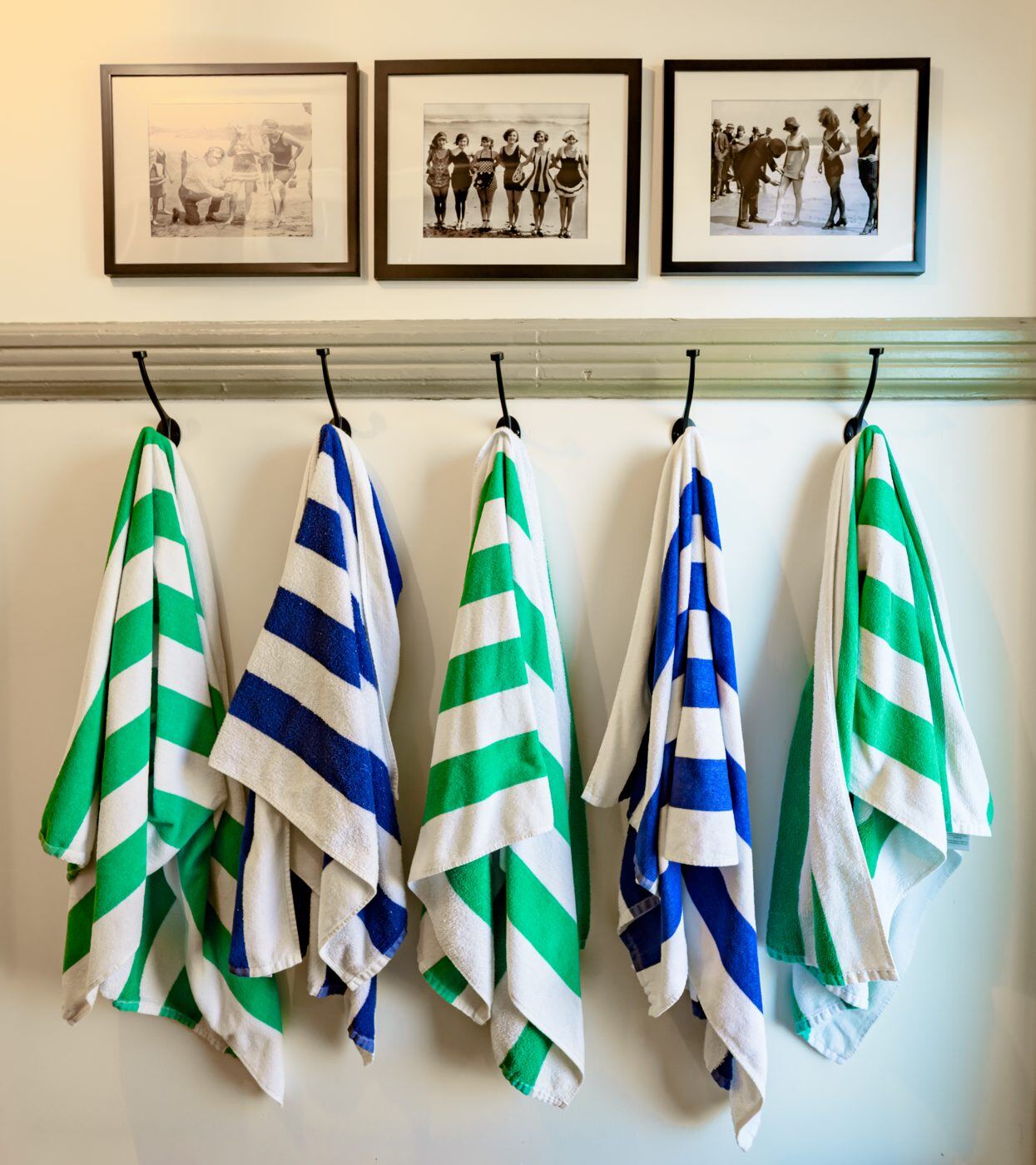
Curated with my mom across salvage yards and estate sales in multiple states. Historic charm, modern comfort.
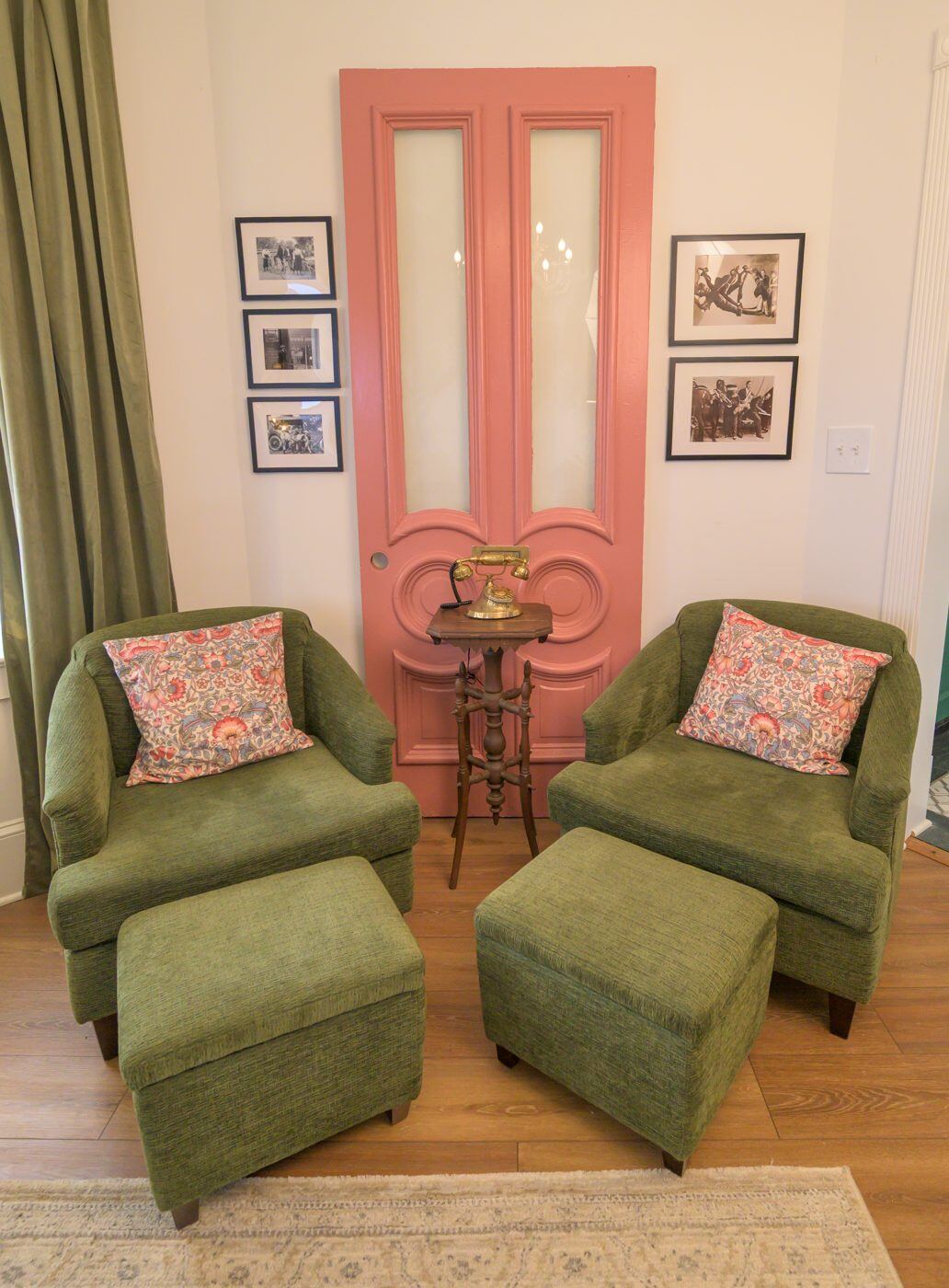
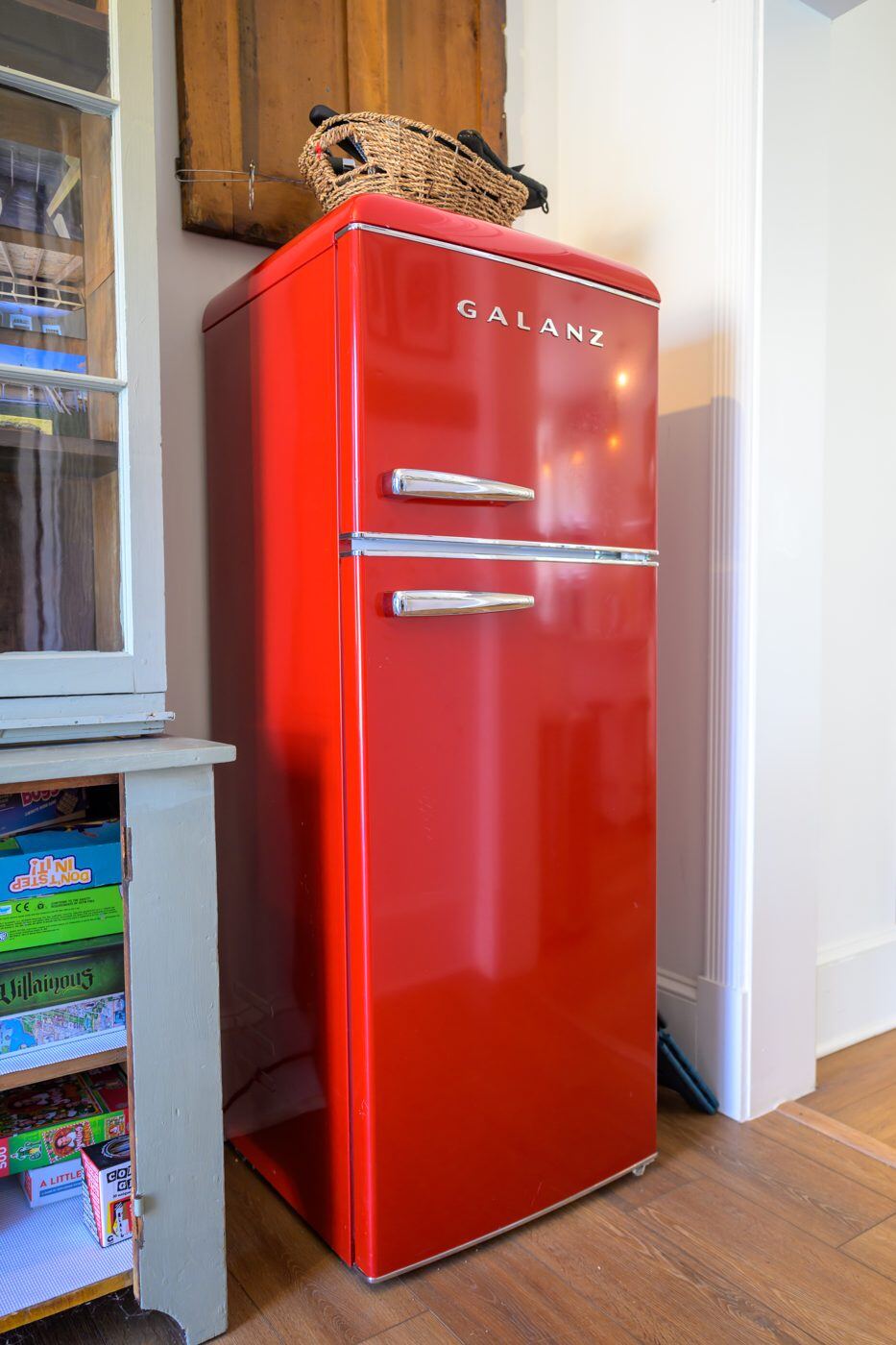
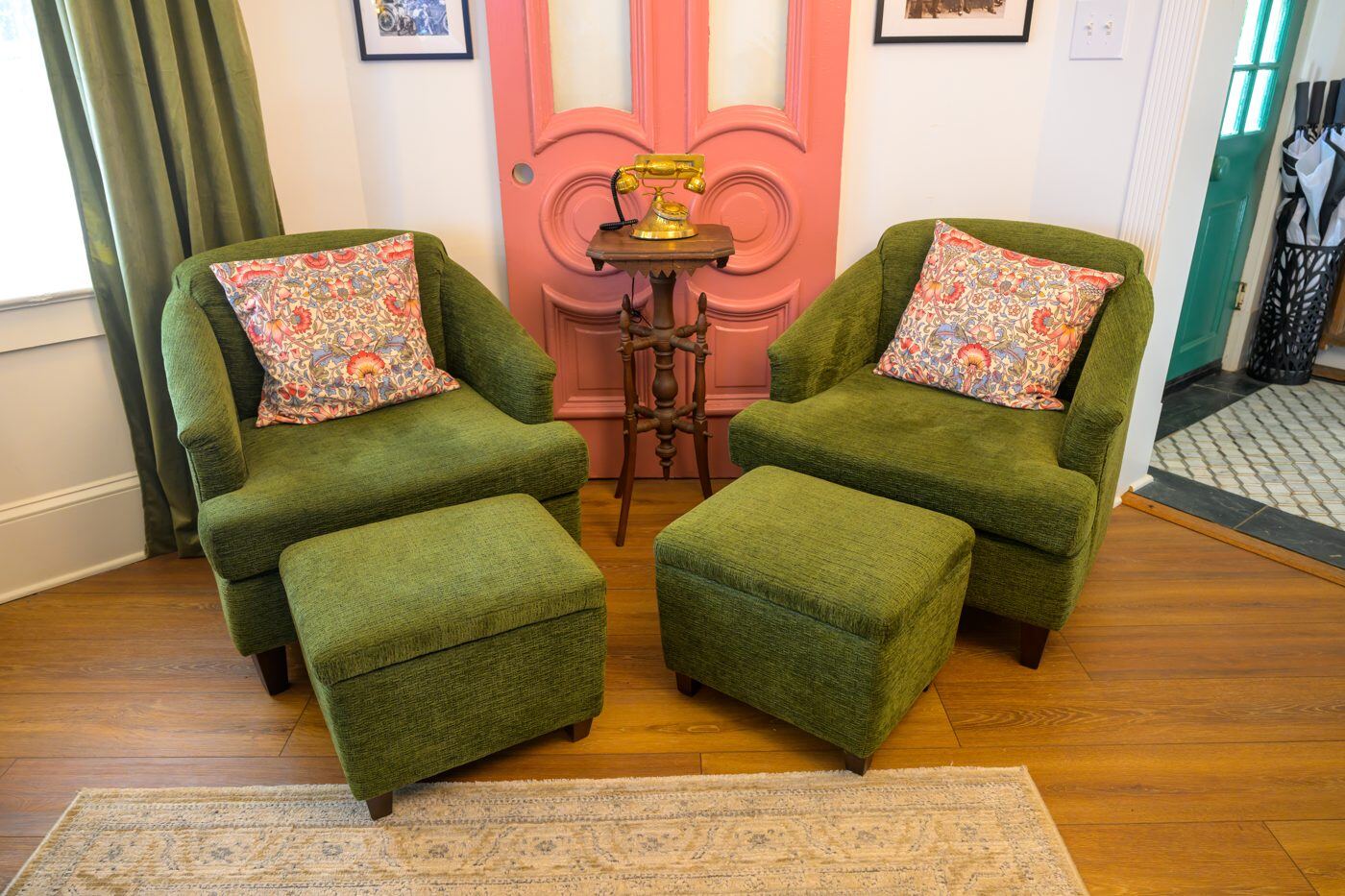
The parts I love most are the vignettes: small, styled corners tucked all through the house that give guests something to notice and enjoy. A coral door, a wall of thrifted art, a cherry-red fridge that makes everyone smile.
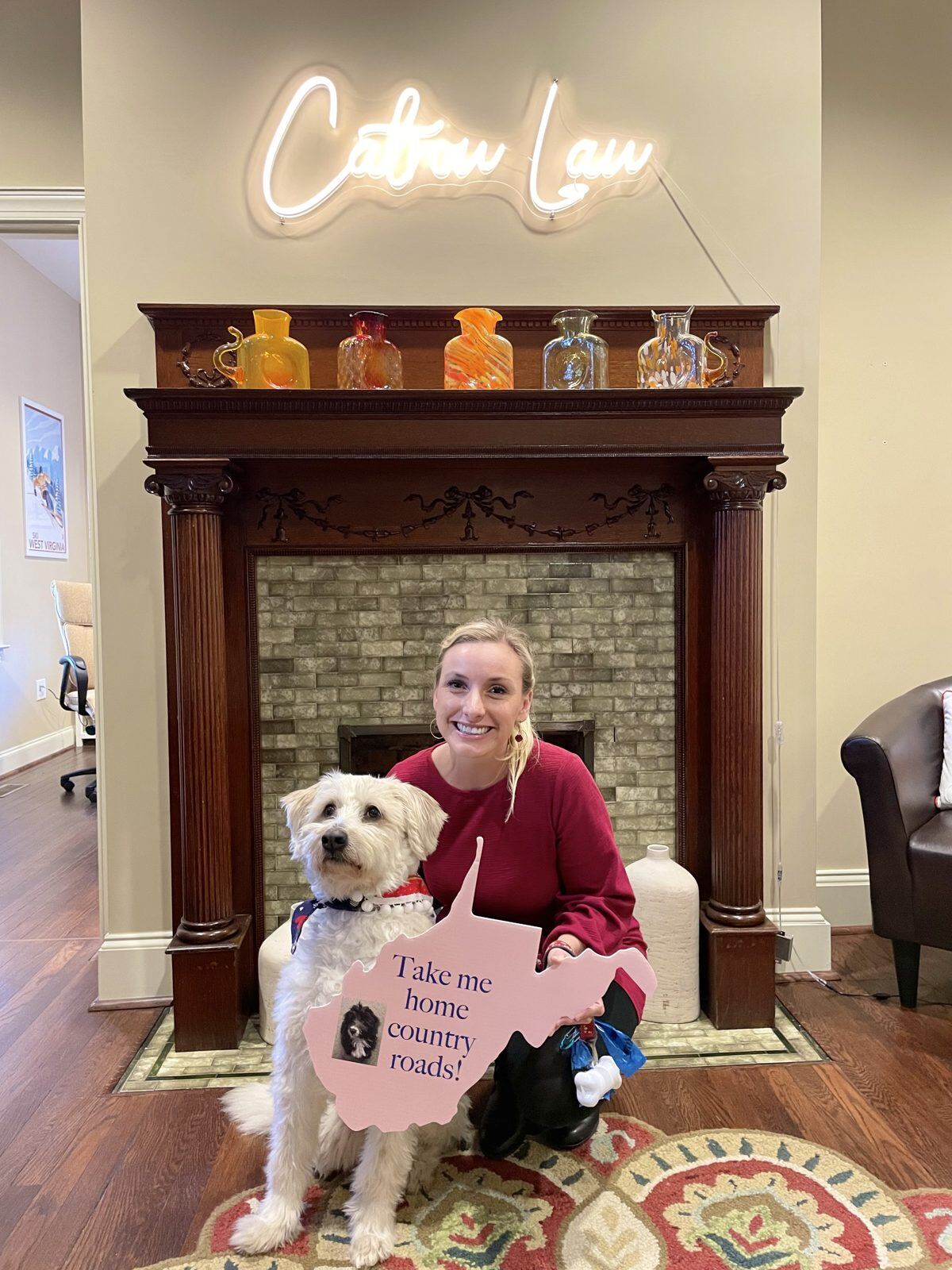
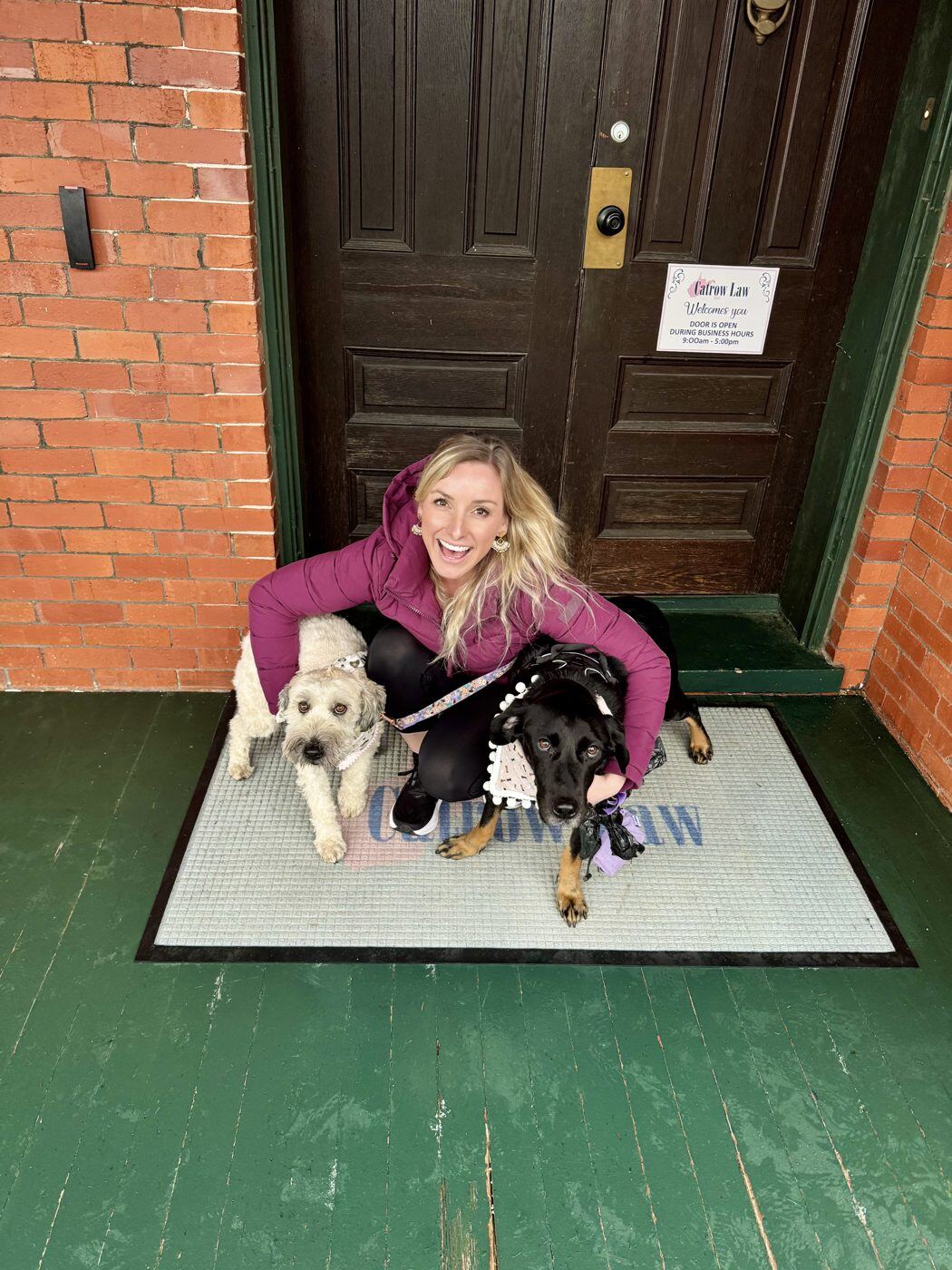
Some of my favorite memories from the restoration have very little to do with construction. My rescue dogs were also there for every chapter of the journey. Sawyer faithfully accompanied me through demolition, contractor meetings, inspections, and countless weekends spent working on the property. Nella, my most recent rescue pup family member, experienced her first snowfall there and discovered the joy of having a large backyard to run and explore. Jethro has loved being part of the adventure, adding even more life and energy to a home that already felt full of personality.
The Craven House is so much more than just one of my investment properties. It represents family, perseverance, creativity, and a tremendous amount of personal growth.
Today, The Craven House is a thriving historic Airbnb that welcomes guests from across the United States and around the world. Families gather there for holidays. Friends reconnect there. Appalachian Trail hikers rest there after long days on the trail. Guests visiting Harpers Ferry's historic sites use the home as a base to explore one of America's most fascinating towns. Many visitors stay at the property while attending local weddings, using the home as a place to gather with loved ones, prepare for celebrations, and reconnect long after the festivities have ended.
People arrive from different backgrounds, different states, and different countries, yet they all share the experience of spending time in a home that was thoughtfully and lovingly brought back to life. Watching people create memories inside a home that many would have considered beyond saving remains one of the most rewarding aspects of the entire project.
The house continues to evolve. Future plans may include an attic conversion, restoration of the original garage, a large game room, and perhaps even a second home on one of the property's two lots. Like many historic homes, The Craven House continues to reveal new possibilities with each passing year.
The Craven House changed the way I look at real estate. Period. Today, when I walk through a property, I naturally look beyond the finishes, furniture, and floor plan that exist today. I evaluate how spaces function, where opportunities exist, what challenges may be hiding beneath the surface, and what a property could become with the right vision and execution.
Years of restoration work taught me how to think differently about homes. Combined with my background as a trained national security analyst, I developed a habit of looking deeper, asking questions, identifying patterns, and uncovering opportunities that may not be immediately obvious. Whether I'm evaluating a historic Victorian, a dated colonial, a mid-century ranch, or a modern home with untapped potential, I approach each property with both creativity and analysis.
When I tour homes with clients, I often find myself helping them visualize possibilities they hadn't yet considered. Sometimes that means identifying opportunities to improve a floor plan or recognizing value in a property that other buyers overlooked. Other times it means helping a client distinguish between cosmetic concerns and true structural issues. It can also mean helping someone see past what exists today and imagine what could exist tomorrow.
Sometimes the most valuable opportunities are hiding behind drywall or tucked away in an unfinished attic. Sometimes they're buried beneath decades of renovations. And occasionally, they're sitting quietly in a backyard waiting to tell a story that has been forgotten for generations.
I have a special place in my heart for historic homes because they connect us to the people who came before us. They carry stories, craftsmanship, and character that cannot be recreated. I love the challenge of preserving that history while helping clients create spaces that serve modern families and future generations.
The lessons I learned from this home, and my others, extend far beyond historic properties. They influence every conversation I have with clients, each property I evaluate, and every opportunity I help someone pursue.
I'm not pointing at a textbook. These are the plays I've actually executed, which is exactly why I can tell you when one fits your situation and when it doesn't.
I bought in Arlington almost on a whim, then learned to make the property help pay for itself. It became my crash course in house hacking, financing, and the numbers behind a primary residence that doubles as an asset.
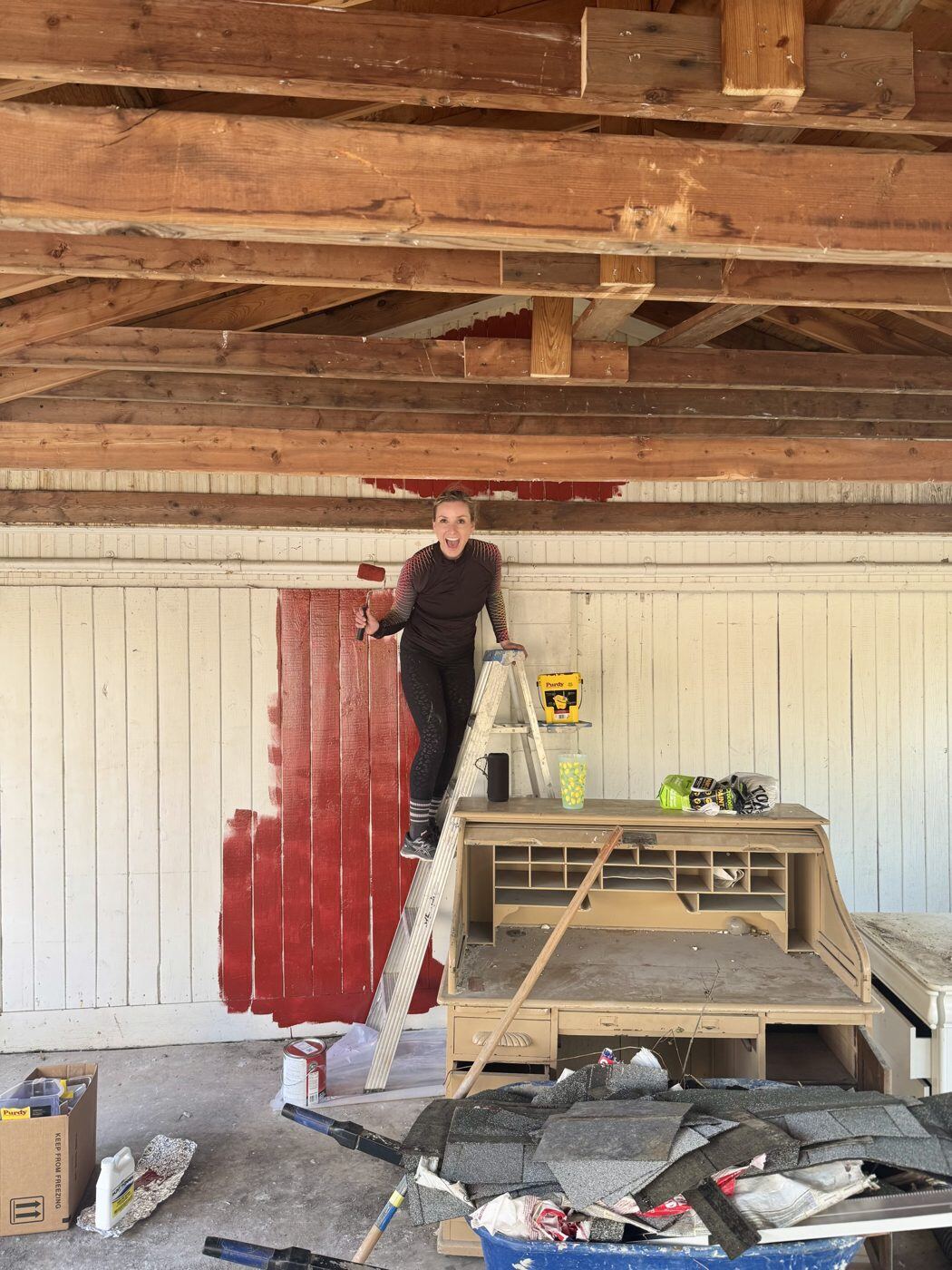
A full, hands-on restoration of a distressed historic home. I managed the scope, the budget, and the trade-offs, and came out with a property worth significantly more than what I put in.
I've coordinated long-distance transactions, navigated tenant-occupied sales, and sourced off-market opportunities through my investor network. The messy deals are the ones I'm best at.
I'm constantly running numbers on properties across the DMV and West Virginia, whether or not I buy. That habit is why I can spot a real opportunity, and a real trap, faster than most.
The actual deals, the actual numbers, and the strategy behind each one. I share the detailed breakdowns directly with people I'm working with or getting to know. Leave your info and I'll send them your way.
Leave an email or a cell so I can reach you. No spam, ever.
One thing I've learned as an investor and agent: the best outcomes for clients happen when great people are connected to other great people. I'm not territorial about geography. I'm territorial about quality.
If you're an agent in a market outside the DMV or West Virginia, I'd love to build a referral relationship. When my clients are moving to your city or investing outside my service area, I want to send them to someone I trust, and vice versa. If you share the same investor-first mindset and actually care about your clients' outcomes, I want to know you.
Reach out to connect